How to Care for Dental Crowns: A Cornelius, NC Guide
June 2, 2026
How to Fix Crooked Teeth Without Braces
June 4, 2026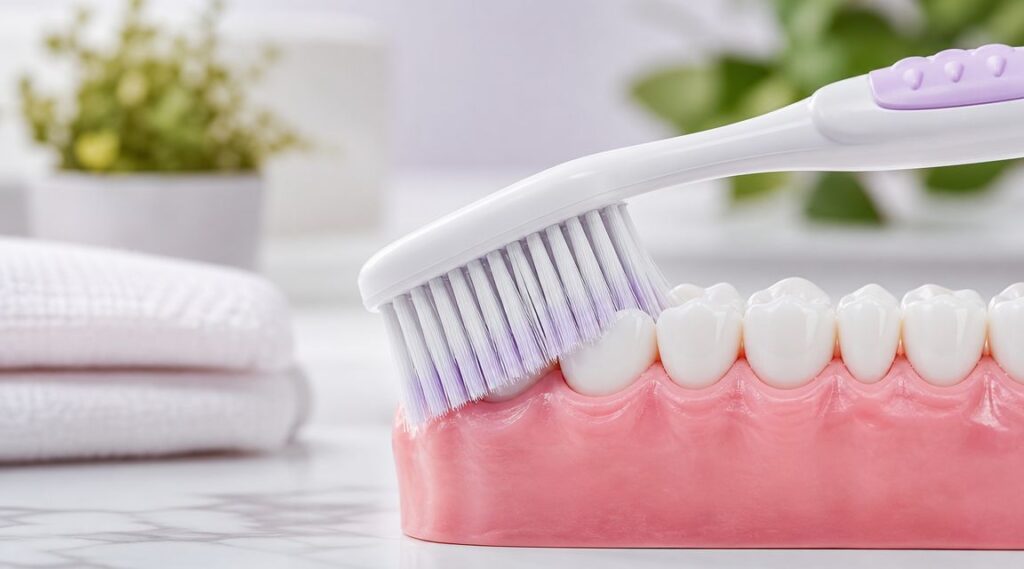
If your gums sting the moment the bristles touch them, you're not being dramatic. A lot of people in Cornelius brush through discomfort for weeks, hoping a new toothpaste or a different brushing angle will somehow fix it. Then they notice a little pink in the sink, start avoiding sore spots, and the whole routine becomes stressful.
That pattern is common in everyday family dentistry. Sensitive gums don't always mean something severe, but they do mean your mouth is asking for a gentler and smarter approach. The right toothbrush can make brushing feel more comfortable, lower irritation, and help you clean well enough to support healthier gums over time.
For many local families, the challenge isn't finding a toothbrush with the word “sensitive” on the package. It's figuring out which features truly matter, which ones are mostly marketing, and how brushing technique fits into the picture. The best toothbrush for sensitive gums usually isn't the fanciest one on the shelf. It's the one that helps you remove plaque without scraping already tender tissue.
Your Guide to Comfortable Brushing from a Dentist in Cornelius
A familiar scene plays out in bathrooms across Cornelius every morning. Someone starts brushing, hits one sore area near the gumline, and immediately changes course. They brush around it. They rush. They press harder in other spots because their teeth don't feel clean. By the end of the week, their gums feel worse, not better.
That cycle can happen to adults with gum recession, teens with inconsistent brushing habits, and parents who've put off their own dental care while taking care of everyone else. It can also happen to people who are trying to do the right thing but are using the wrong tool for their mouth.
At Dr. Skotzko Family and Cosmetic Dentistry in Cornelius, patients often come in with the same concern phrased in different ways. “My gums hurt when I brush.” “My toothbrush feels too rough.” “I switched brands and nothing changed.” Those questions deserve a practical answer, not a generic product list.
What people usually get wrong
Many shoppers assume the answer is brand loyalty. It usually isn't. Others think they need the strongest brush that still feels tolerable. That's often backwards for sensitive gums.
Practical rule: If brushing hurts enough that you avoid certain areas, the brush isn't helping you maintain healthy gums, even if the packaging looks impressive.
The better starting point is comfort plus control. Your toothbrush should let you clean along the gumline without feeling like you're sanding the tissue. If it feels poky, bulky, or hard to control around back teeth, it's probably not the right fit.
A calmer way to think about the problem
Sensitive gums can improve. That's the reassuring part. In many cases, people feel better when they make three changes:
- Choose softer bristles: Stiff bristles can add irritation where gums already feel inflamed.
- Reduce brushing force: A lighter touch often matters more than changing toothpaste.
- Address the cause: Tender gums may reflect plaque buildup, gum inflammation, recession, or a brushing habit that needs adjustment.
A toothbrush is one part of a bigger oral health strategy. When it's chosen well and used correctly, it can make daily care easier instead of harder.
Understanding the Causes of Gum Sensitivity
A sore gumline usually has a reason behind it. In practice, I see a few patterns again and again in Cornelius patients. The tenderness may come from inflammation, brushing pressure, gum recession, or a problem that needs treatment instead of another toothbrush purchase.
Inflammation near the gumline
Plaque that sits along the gumline can irritate the tissue and trigger redness, puffiness, tenderness, and bleeding. Gums in that state react to even normal brushing.
That often creates a frustrating cycle. People notice bleeding, then either scrub harder to try to get the area cleaner or avoid the sore spots because brushing feels unpleasant. Both choices leave more plaque behind, which keeps the tissue irritated.
Inflamed gums can calm down, but they usually need two things at the same time. They need plaque removal, and they need a gentler brushing approach.
Brushing pressure and technique
Sensitive gums are often a force problem, not a frequency problem. I regularly see patients using a soft toothbrush that should be gentle, yet the gumline stays irritated because the brush is being pressed too firmly or dragged back and forth in long horizontal strokes.
The brush may be soft. The brushing habit may still be rough.
One practical clue is bristle wear. If the bristles spread out quickly, hand pressure is often too heavy. Another clue is soreness that shows up in the same spots after brushing, especially around the canines or along the outer surfaces of the back teeth.
Gum recession and exposed root surfaces
Receding gums change what brushing feels like. As the tissue pulls away, the root surface becomes more exposed, and roots are not protected the same way enamel is. Those areas can feel tender with cold drinks, toothbrushing, or even a light touch from a bristle tip.
Recession can develop with age, a history of gum disease, clenching, or years of aggressive brushing. It also changes the kind of toothbrush that feels comfortable. A brush that seems acceptable on healthy enamel can feel too harsh once root surfaces are exposed.
Sensitivity that points to another issue
Sometimes the toothbrush gets blamed for pain that starts somewhere else. A rough filling edge, food trapped between teeth, tartar under the gumline, or a localized infection can all make one area feel sore during brushing.
That is why the pattern matters. General tenderness along the whole gumline suggests one type of problem. Pain in one exact area suggests another.
A dental exam makes that distinction much easier.
Signs it is time to get your gums checked
A new toothbrush can reduce irritation, but it cannot remove tartar, smooth a rough restoration, or treat active gum disease. Schedule a visit if you notice:
- Bleeding that keeps coming back: especially after you have already switched to gentler brushing
- Soreness in one small area: this can point to a local irritant or infection
- Visible swelling or gum recession: these changes should be evaluated early
- Pain that makes daily brushing difficult: comfort matters because home care only works if you can do it consistently
This is the part many families miss. Choosing the right toothbrush helps, but lasting relief usually comes from matching the brush, the brushing method, and professional care to the actual cause of the sensitivity.
What Makes a Toothbrush Ideal for Sensitive Gums
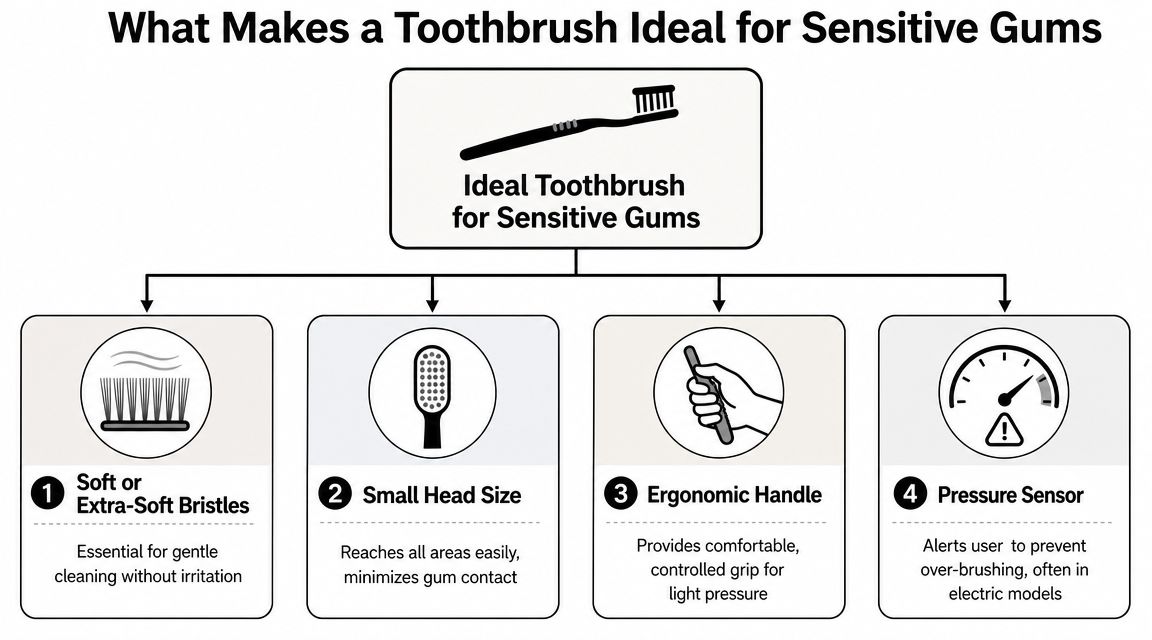
The most useful way to shop for a toothbrush is to ignore the flashy claims for a minute and look at the physical design. For sensitive gums, a few details matter a lot more than packaging language.
Start with bristle softness
If you remember only one thing from this article, make it this. Bristle softness is the most important specification for sensitive gums.
Oral-care guidance consistently recommends soft or extra-soft bristles because firmer filaments increase mechanical stress on the gingival margin and can contribute to tissue damage, bleeding, recession, and sensitivity. The same guidance notes that tapered bristle tips can improve plaque removal near the gumline without needing extra force (SUNSTAR GUM toothbrush guidance).
That's the practical reason dentists so often steer people away from hard or “firm-feeling” brushes. Stronger sensation doesn't mean better cleaning. With sensitive gums, it often means more irritation.
Soft doesn't mean ineffective
Some patients worry that soft bristles won't clean well enough. The evidence is more nuanced than that. A 2024 systematic review on toothbrush design found that both soft and medium toothbrushes reduced plaque and gingival inflammation, while the medium-bristle group produced larger reductions in plaque index, gingival index, and bleeding on probing, with the between-group differences reported as statistically significant at P < 0.0001 (2024 toothbrush design systematic review).
That doesn't mean people with sensitive gums should jump to medium bristles. It means there's a real trade-off. Slightly firmer bristles may clean more aggressively, but comfort matters. If a soft or extra-soft brush keeps you brushing consistently twice a day without pain, that's often the better fit for a tender mouth.
The best brush isn't the one that feels most powerful. It's the one you can use thoroughly and comfortably every day.
Head size affects control
A smaller brush head usually works better for sensitive gums than a large one. It gives you more control around the gumline, especially behind the back teeth and in tight corners where a bulky brush can bump tissue you didn't mean to touch.
A compact head also helps you use shorter, more precise motions. That matters because wide scrubbing strokes tend to irritate gums more than careful, targeted brushing.
A good test is simple. If your current toothbrush feels awkward near the back molars or too large to angle comfortably at the gumline, head size may be part of the problem.
Handle comfort matters more than people think
The handle doesn't clean your teeth, but it affects pressure and control. A slippery or awkward handle can encourage a stronger grip and heavier brushing force. A comfortable handle makes it easier to stay relaxed and use a lighter touch.
Look for a handle that feels steady in your hand without making you clench. This is especially helpful for:
- Older adults: Grip comfort can make gentle brushing easier.
- Teens learning better habits: More control reduces rough brushing.
- Anyone with a heavy hand: Better handling often leads to less force.
A quick checklist for the store aisle
When choosing the best toothbrush for sensitive gums, keep your checklist simple:
- Soft or extra-soft bristles: This comes first.
- Tapered or gentle bristle tips: Helpful near the gumline.
- Smaller head size: Better access and less accidental poking.
- Comfortable handle: Easier to control with light pressure.
If a brush feels rough, too large, or hard to guide, skip it. Sensitive gums usually respond better to design that prioritizes control over intensity.
Manual vs Electric Toothbrushes for Gentle Cleaning
A lot of Cornelius patients ask this after their gums start feeling tender. Should they keep a manual brush, or would an electric brush be easier on the gumline?
Both can work well.
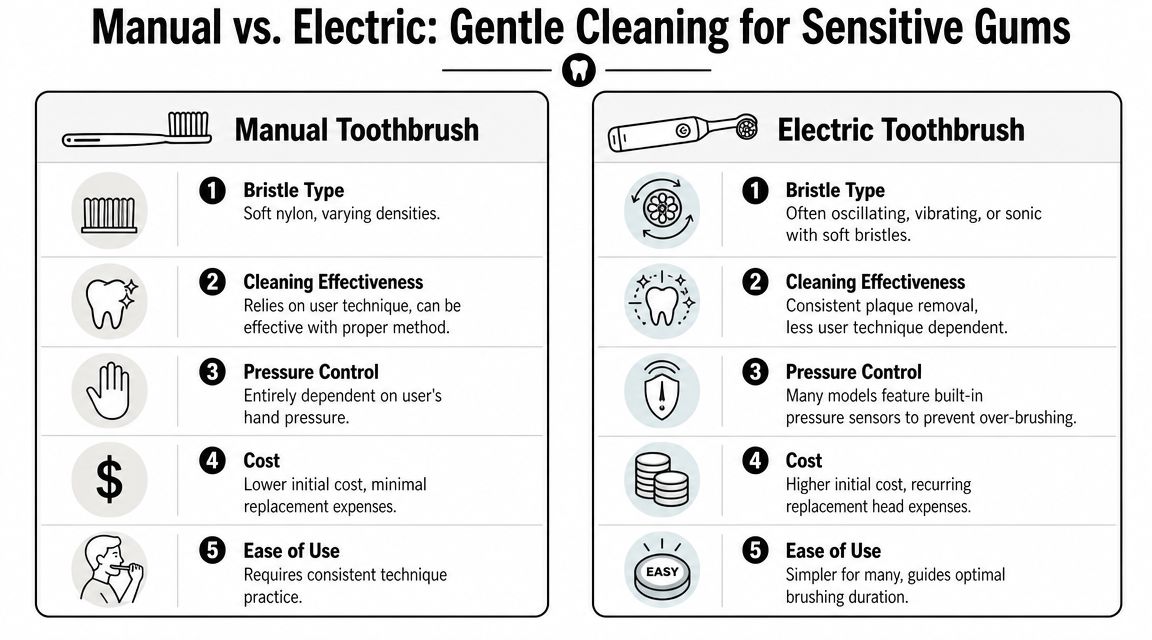
The better choice depends on what usually goes wrong during your routine. If brushing is already gentle and thorough, a manual brush may serve you just fine. If you tend to rush, scrub, or miss the same areas every day, an electric brush often makes gentle cleaning easier to repeat.
Manual toothbrushes give you control
A manual toothbrush keeps the routine simple. There is nothing to charge, no settings to sort through, and no replacement head system to match.
That simplicity matters for families who want a brush they will use twice a day.
Manual brushes are often a good fit for people who already have solid technique. With a soft brush and a light grip, they can clean the teeth and gumline comfortably. The trade-off is that a manual brush does not correct heavy pressure, fast back-and-forth scrubbing, or skipped spots. In the office, I often see sore gums tied more to brushing habits than to the brush itself.
A manual brush usually makes sense if you want:
- Lower cost: Easy to replace and budget-friendly for larger households.
- Full control: You decide the angle, speed, and pressure.
- A straightforward routine: Helpful for adults and teens who do not want extra technology.
Electric toothbrushes help many people brush lighter
Electric brushes reduce the amount of hand motion needed to clean well. Instead of scrubbing with your wrist, you guide the head slowly along the teeth and let the brush do the repetitive movement.
That can be a real advantage for people with sensitive gums.
Guidance focused on gum recession and brushing habits explains that electric toothbrushes can support better gum health than manual brushes for some users, especially when they include settings that reduce intensity and features that discourage overbrushing (gum health guidance on electric brushes and recession).
In practical terms, electric brushes tend to help three groups most. People who press too hard. People who rush. People who want a more consistent clean without having to think about every stroke.
A side-by-side look
| Feature | Manual Toothbrush | Electric Toothbrush |
|---|---|---|
| Bristle feel | Usually available in soft or extra-soft options | Often available with soft or sensitive brush heads |
| Cleaning consistency | Depends heavily on user technique | More consistent motion with less hand effort |
| Pressure control | Entirely up to the user | Some models help limit overbrushing |
| Ease of use | Straightforward, but requires good habits | Often easier for people who rush or scrub |
| Cost | Lower initial cost | Higher initial cost and replacement head cost |
| Best fit | Good for gentle, controlled brushers | Good for people who want help with force and consistency |
How to decide in real life
A manual brush is often enough if gum soreness started after using bristles that felt too stiff or a brush head that was hard to control. In that situation, switching to a softer, gentler manual brush may solve the problem.
An electric brush is often the better move if you know your technique slips. Many patients tell me, "I brush hard because I want my teeth to feel really clean." That habit can leave the gum margin irritated even when the brush head itself is soft. An electric model can add useful guardrails, especially for adults with recession, orthodontic patients, and children who need a steadier routine.
My clinical view on the trade-off
I do not treat this as a simple product decision. I treat it as part of a larger gum care plan.
The right toothbrush is the one that helps you clean effectively without adding trauma to already sensitive tissue. For one patient, that means a soft manual brush and better technique. For another, it means an electric brush that reduces scrubbing and makes daily care more consistent between checkups.
If your gums stay sore, bleed often, or seem to be pulling away from the teeth, the brush is only part of the answer. A local dental exam can tell you whether the problem is pressure, plaque buildup, early gum disease, recession, or a combination of all four.
Advanced Features That Protect Your Gums
Once you've decided on manual or electric, the next question is which features help. Many toothbrush add-ons are forgettable, yet a few design choices can make a meaningful difference for gum comfort.
The pressure sensor is worth paying attention to
If you're choosing an electric toothbrush for sensitive gums, a pressure sensor is one of the most useful features available. Guidance on sensitive brushing notes that it gives immediate feedback when brushing force is excessive, which helps prevent the repetitive overloading that can worsen gum irritation. The same guidance recommends pairing that feature with a smaller head and a soft or sensitive brush head for best results (guidance on electric toothbrush features for sensitive gums).
That immediate feedback matters because many people don't realize how hard they brush. They think they're being thorough when they're flattening bristles and irritating the gum margin.
Sensitive modes and brush head design
A sensitive mode can also help, especially for patients who find standard electric settings too intense. Lower-intensity brushing can feel much more comfortable around inflamed tissue or receding gums.
Brush head design matters too. A smaller head tends to be easier to guide around tender areas. Soft or sensitivity-focused replacement heads usually feel less sharp at the gumline. On the manual side, some ultra-soft brushes are designed specifically for sensitive mouths, and one manufacturer-backed product page states that an ultra-soft manual brush exerts 3X less pressure on teeth and gums (Colgate sensitive manual toothbrush page).
Features that help and features you can ignore
A practical buying filter looks like this:
- High-value feature: Pressure sensor for reducing force.
- Helpful feature: Sensitive mode for a lower-intensity brushing experience.
- Useful design choice: Small brush head for access and control.
- Worth considering: Soft or sensitive replacement heads.
- Less important: Decorative extras that don't change gum contact.
For people who want professional guidance on home-care tools as part of routine preventive visits, Skotzko Family Dental Clinic provides preventive dental treatment services that can include oral hygiene guidance relevant to choosing a toothbrush for sensitive gums.
Not every person with gum sensitivity needs a high-tech brush. But if your main problem is overbrushing, technology that interrupts that habit can protect your gums better than willpower alone.
The Right Way to Brush for Healthy Gums
Sore gums often show up in a familiar routine. A parent in Cornelius buys a softer brush, uses a toothpaste for sensitivity, and still says, "My gums hurt every time I brush." In many cases, the brush is only part of the answer. The daily technique matters just as much.
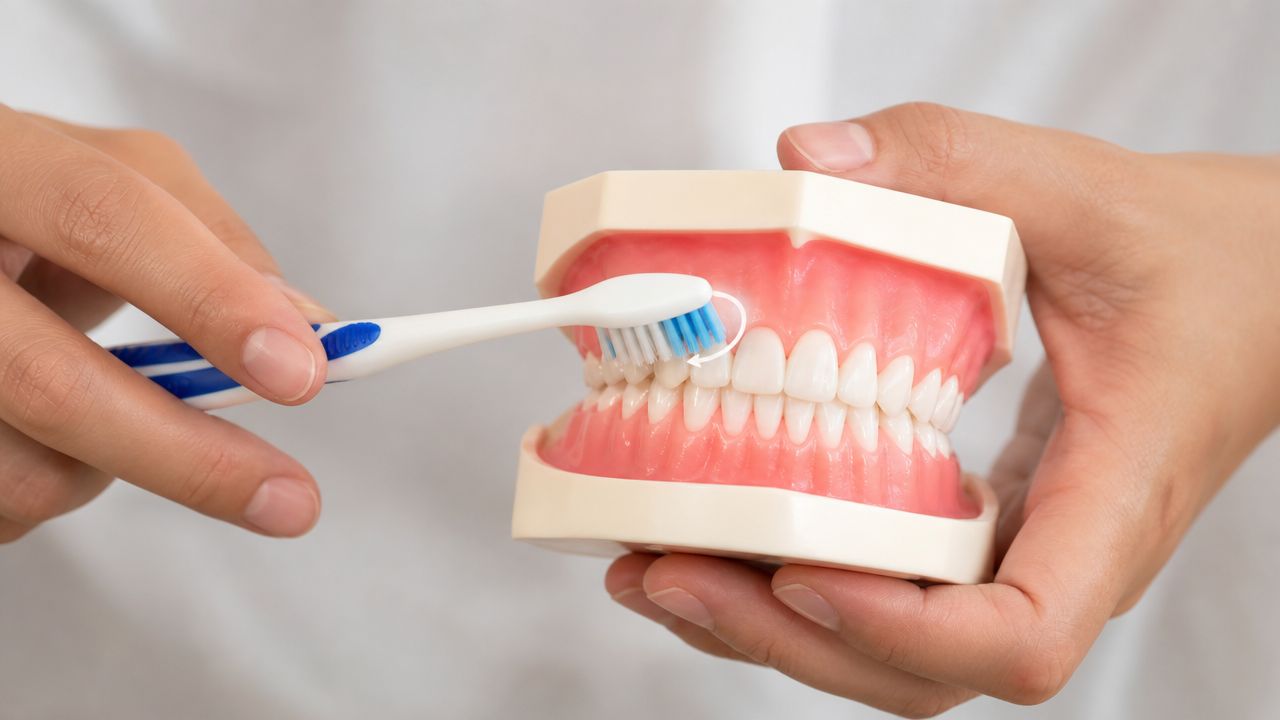
Use small, controlled movements
Sensitive gums respond better to precision than force. The goal is to remove plaque right where the tooth meets the gum, without scraping the tissue. Many people brush as if they are trying to scour the teeth clean. That habit often leaves the gumline irritated and the plaque partly untouched.
I usually tell patients to slow down and make the brush do less. Short strokes, light pressure, and careful positioning clean better than fast, wide scrubbing.
A simple version of the modified Bass technique
This is the method I recommend most often for tender gums:
- Angle the bristles toward the gumline. A slight tilt helps the bristle tips reach the edge of the gums.
- Use short motions. Small circular or vibrating movements are gentler and more effective than long back-and-forth strokes.
- Clean one area at a time. Move methodically instead of sweeping across several teeth at once.
- Let the bristles bend slightly. A little flex is enough. If the bristles are flattening hard against the teeth, the pressure is too high.
- Guide an electric brush slowly. Set the head at the tooth and gumline, then pause and move along without adding extra scrubbing.
A pen grip often helps. Holding the handle that way reduces the urge to squeeze and push.
Good brushing feels controlled. If your gums feel raw, hot, or more tender after brushing, the pressure or motion needs to change.
Common mistakes that keep gums irritated
A few patterns come up over and over in practice:
- Wide horizontal scrubbing: This can miss the gumline while rubbing the tissue too hard.
- Pressing until bristles flare out: More force does not mean better cleaning.
- Avoiding sore spots: Tender areas need gentle cleaning, or plaque builds up and the irritation continues.
- Using an old brush head: Worn bristles feel rougher and clean less accurately near the gums.
If you need a visual refresher, this demonstration helps show gentle brushing mechanics in a simple format.
Keep the brush clean and replace it on time
A good technique works best with a brush that is still in usable shape. Rinse the bristles well after each use, store the brush upright so it can dry, and replace it when the bristles start to splay. If a brush frays quickly, that is often a sign of excess pressure.
Families who want more hands-on guidance can learn more about preventive dental care and oral hygiene support.
For many patients, the best toothbrush for sensitive gums becomes much more effective once the brushing motion is corrected. That combination of the right tool, the right technique, and regular professional care usually gives the most comfortable long-term result.
Partner with Your Cornelius Dentist for Complete Oral Health
Even the best toothbrush for sensitive gums has limits. It can reduce irritation, improve comfort, and help you clean better at home. It can't diagnose why one area keeps bleeding, remove hardened buildup below the gumline, or rebuild support that's already been lost.
That's where a long-term relationship with a local dentist makes a difference. Sensitive gums often respond best when home care and professional care work together. A patient may need a gentler brush, a cleaner gumline, a technique correction, or a more complete treatment plan depending on what's causing the problem.
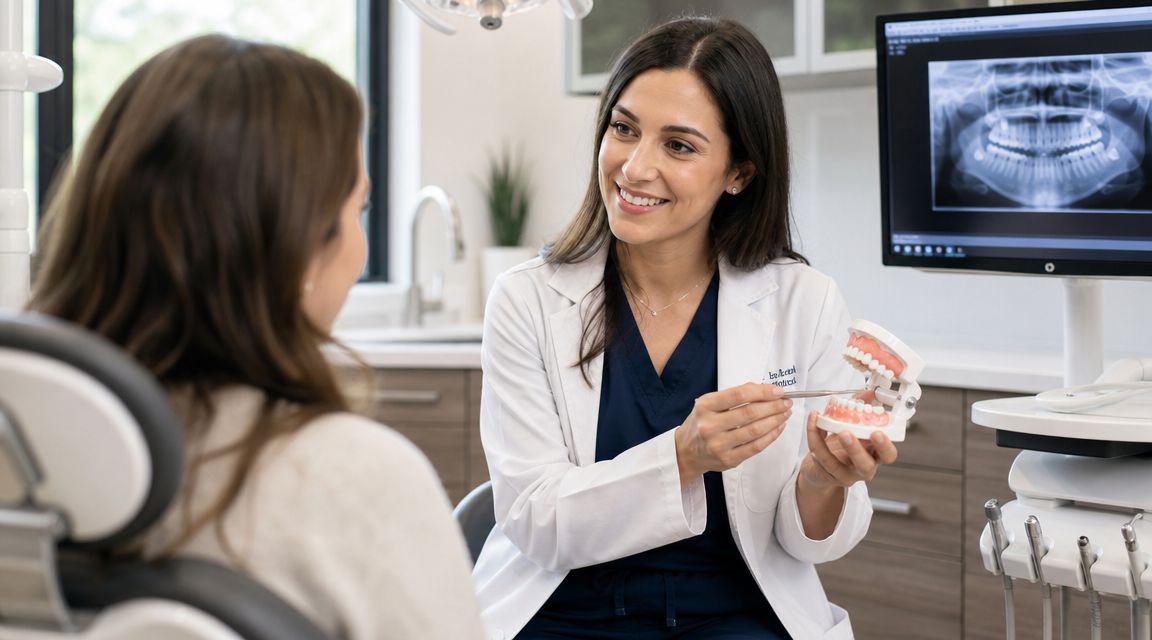
What professional care adds
Routine visits help identify whether the issue is simple irritation or something more involved. Professional care can help with:
- Regular cleanings: These remove buildup you can't brush away at home.
- Gum evaluations: Persistent bleeding or tenderness deserves a closer look.
- Technique coaching: Small adjustments often make home care much more comfortable.
- Broader treatment planning: Gum health affects restorative and cosmetic decisions too.
If gum disease has contributed to tooth loss, restorative options may become part of the conversation. For some patients, that may include crowns, bridges, dentures, partials, or dental implants. Other patients may be thinking ahead to cosmetic dentistry, veneers, or Invisalign, and healthy gums are part of making those treatments successful and comfortable.
What patients in Cornelius can expect
Families in Cornelius, Huntersville, and Davidson often want one dental home where they can get practical answers without feeling rushed. That matters with gum sensitivity because people often need reassurance as much as they need instructions.
A good dental visit for this issue should feel straightforward. You should leave knowing whether your gums are reacting to plaque, pressure, recession, or another problem. You should also know what to change at home, what kind of brush to buy next, and when to follow up if the soreness doesn't improve.
Persistent gum sensitivity isn't something to ignore, but it also isn't something to panic about. Most patients do better when the cause is identified early and the home-care routine becomes more precise.
Schedule Your Personalized Consultation Today
If brushing has become uncomfortable, don't settle for a routine that hurts. Sensitive gums often improve when the toothbrush, brushing pressure, and gum health plan all start working together.
For patients in Cornelius, Huntersville, and Davidson, getting relief often starts with a simple conversation. A personalized dental exam can help determine whether you need a softer brush, a technique change, preventive treatment, or care for an underlying gum problem.
If you've been searching for the best toothbrush for sensitive gums, the right answer may be less about a brand and more about choosing the tool that fits your mouth and your habits. With the right guidance, brushing can feel comfortable again, and your gums can become healthier over time.
Take the next step and schedule a visit if your gums bleed often, feel tender every day, or make you avoid brushing certain areas.
A CTA for Skotzko Family Dental Clinic.