Foods to Avoid with Canker Sores: A Cornelius Guide
June 7, 2026
How to Prevent Canker Sores: A Cornelius Dentist’s Guide
June 9, 2026
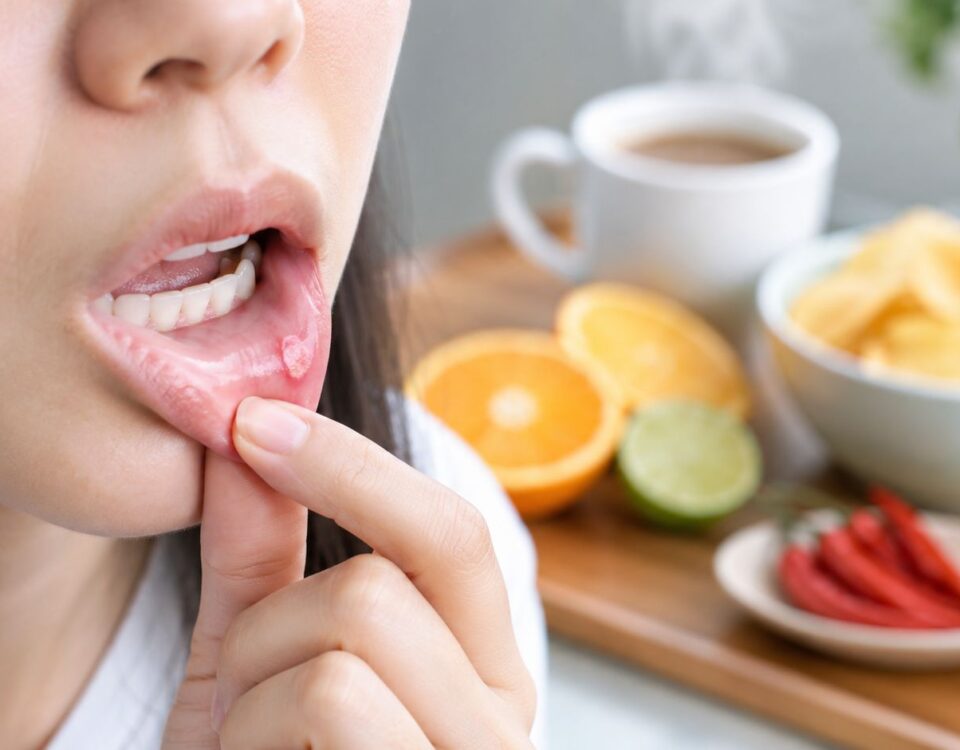
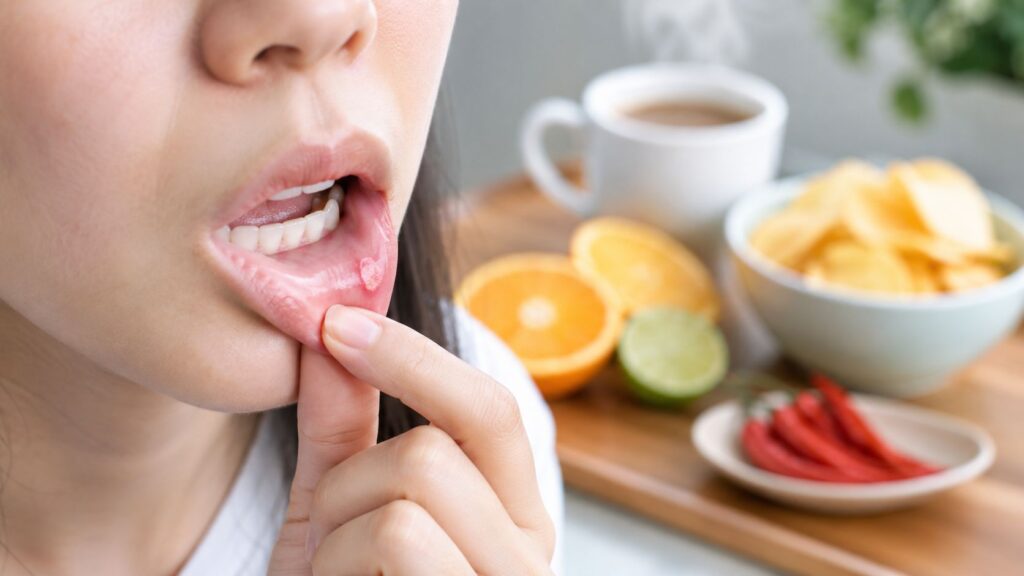
Dinner gets complicated fast when a canker sore is rubbing against your teeth or catching every time you swallow. A food that normally feels harmless can suddenly burn, scrape, or leave you eating around one sore spot for days.
At Dr. Skotzko Family and Cosmetic Dentistry, we see this often. Patients in Cornelius, NC, usually want the same thing. Relief they can use at home today, plus clear advice on when a sore is just a nuisance and when it deserves a closer look.
The safest starting point is simple. Choose foods that are soft, bland, cool or lukewarm, and easy to chew. Skip foods that are rough, spicy, salty, or acidic if they make the area sting. That same practical approach fits the kind of general dentistry care and everyday oral health guidance we give in the office.
Most canker sores improve on their own. The challenge is getting through meals comfortably enough to stay hydrated and keep eating well while the tissue heals. The foods below are not cures, but they can reduce irritation, make meals more manageable, and help you avoid turning a small sore into a bigger disruption.
1. Soft Yogurt
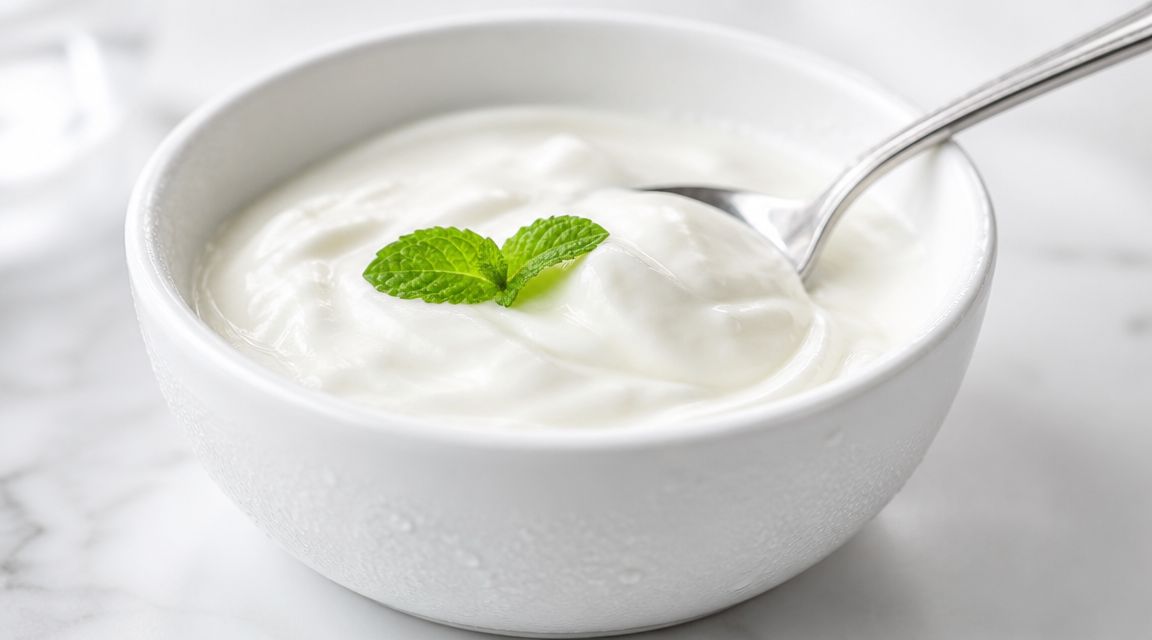
Plain yogurt is one of the easiest wins when a canker sore is flaring up. It's cool, smooth, and doesn't require much chewing, which matters when even a sandwich feels like too much. In practice, this is often one of the first foods people can tolerate comfortably.
Good options include plain Greek yogurt, plain Fage, plain Chobani, or a simple store-brand plain yogurt from a local grocery store. If sweet flavors usually bother your mouth, skip fruit-on-the-bottom versions and choose unsweetened varieties.
Why it works well
The texture is the main advantage. A spoonful of yogurt glides over irritated tissue better than toast, chips, or granola ever will. It also gives you something substantial when you don't feel like eating a full meal.
If you're trying to stay comfortable and still get enough nourishment, yogurt fits well with the broader advice to rely on soft, bland foods such as yogurt, oatmeal, applesauce, cream soup, soft-cooked eggs, and cottage cheese, which are commonly recommended in general dentistry guidance.
Practical rule: If a food feels slick, cool, and easy to swallow, it's usually a better choice than anything dry, crusty, or crunchy.
A few smart ways to use yogurt during a flare-up:
- Choose plain first: Plain yogurt usually causes less stinging than heavily flavored options.
- Keep it cool, not frozen solid: Cold helps. Rock-hard frozen foods can feel good briefly, but yogurt that's spoonable is often easier to manage.
- Make it a mini meal: Stir in a little applesauce if you want variety without adding rough texture.
- Use small spoonfuls: Smaller bites reduce contact with the sore.
This is a strong breakfast choice, but it's also useful later in the day when your mouth is tired and you need something gentle fast.
2. Ice Cream or Frozen Yogurt
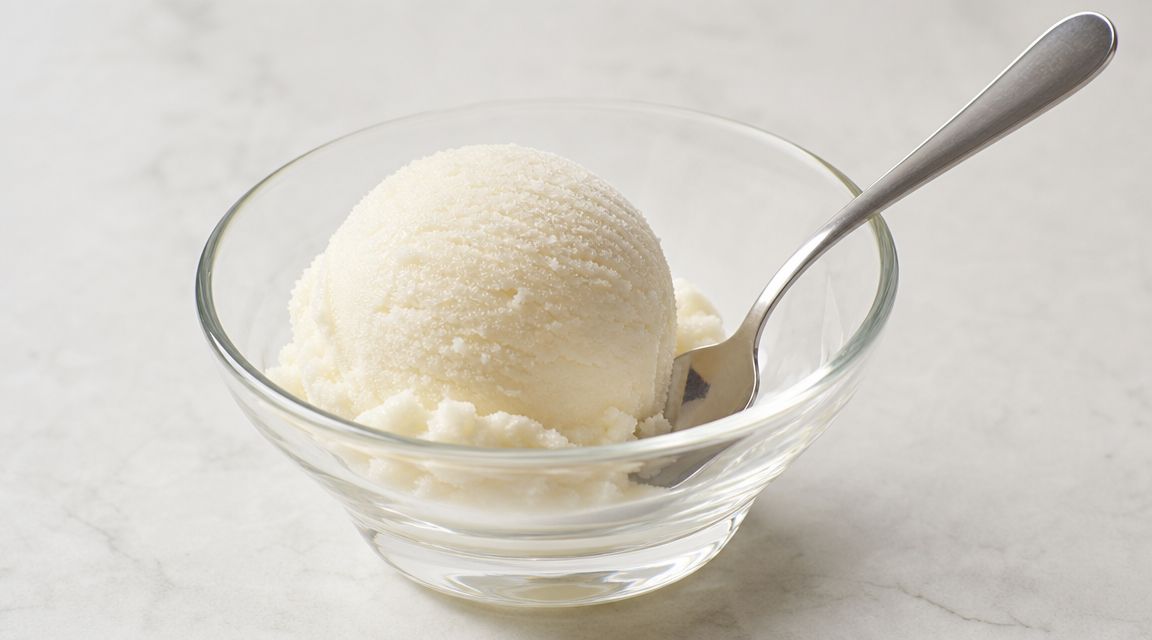
Ice cream isn't a cure, but it can be a very practical comfort food. When patients ask what to eat with canker sores when everything burns, plain vanilla ice cream or a smooth frozen yogurt is often one of the easiest answers. The cold temperature can temporarily numb the area, and the soft texture doesn't scrape the sore.
This is especially helpful during the most tender stage, when even mild chewing sets off pain. A few spoonfuls can take the edge off enough that you're able to eat something else afterward.
Best choices and trade-offs
The best picks are simple. Think plain vanilla ice cream, smooth frozen yogurt, or a soft dairy-free frozen option without crunchy mix-ins, candy pieces, nuts, or citrus swirls. Those extras are where people often get into trouble.
There's a trade-off here. Ice cream may feel great, but it shouldn't become the only thing you eat. Comfort matters, but so do calories, protein, and fluids from other soft foods. If you're using it for relief, pair it with foods that offer more staying power later in the day.
Cold or cool foods and fluids are often more comfortable than hot foods when oral tissue is irritated.
Helpful ways to make it work better:
- Let it soften slightly: Very hard frozen desserts can be uncomfortable to scoop and press against the mouth.
- Stick to smooth flavors: Plain vanilla is often easier than chocolate chip, cookie dough, or anything with crunchy pieces.
- Use it strategically: A small serving before a meal may make eating easier.
- Avoid acidic frozen desserts: Sorbets made with citrus can sting badly.
For children, this can be one of the easiest ways to keep them eating during a painful mouth sore. For adults, it's often less about indulgence and more about getting through the day comfortably.
3. Bone Broth or Vegetable Broth
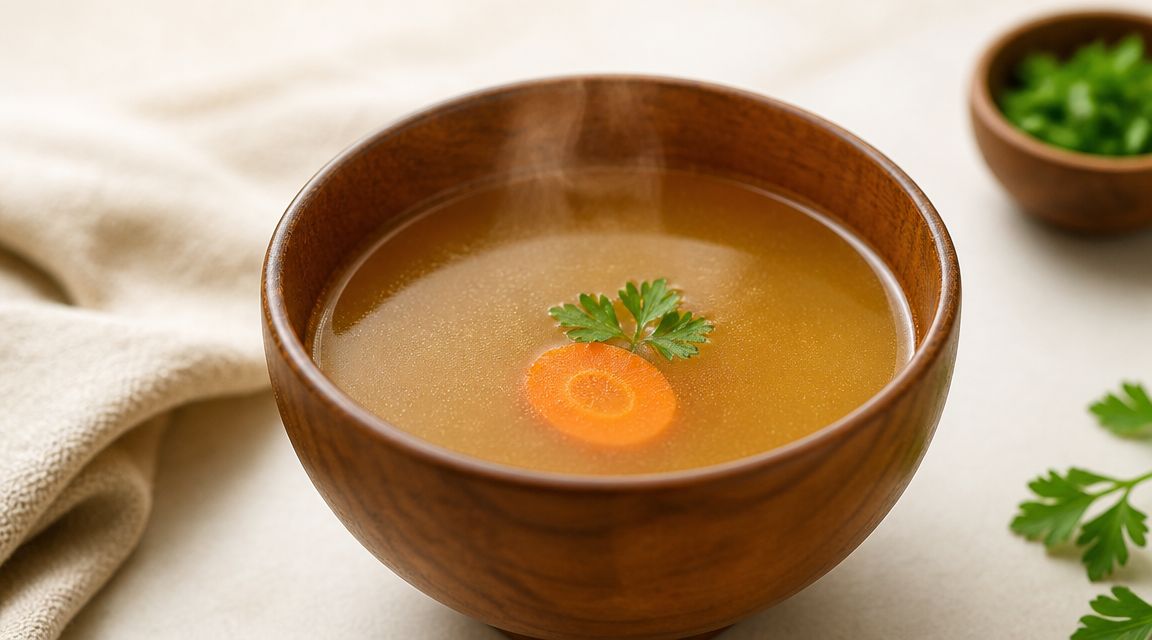
When chewing hurts, broth can keep you eating and drinking without much effort. A mild chicken broth, bone broth, or gentle vegetable broth is often easier to tolerate than a full bowl of chunky soup. You get warmth if that feels soothing, but the key is to serve it cool enough that it doesn't sting.
Some people assume hot soup is always comforting. With canker sores, that's not always true. Broader oral-mucosal guidance recommends soft, non-acidic, non-spicy foods such as soups, while also warning that very hot temperatures, spicy foods, salty foods, fizzy drinks, and alcohol can worsen irritation, according to clinical reference material from StatPearls.
How to make broth actually soothing
The broth itself matters less than how you serve it. Skip heavy pepper, chili oil, tomato base, or strong acidity. A plain broth with soft noodles or very soft vegetables can work well once the sore is a little less tender.
A few practical examples patients tend to do well with:
- Chicken broth with very soft rice: Easy to swallow and mild in flavor.
- Plain vegetable broth: Best if it isn't tomato-based.
- Bone broth sipped slowly: Useful when regular meals feel like too much.
If soup stings, it's usually the temperature or seasoning, not the idea of soup itself.
One good strategy is to use broth as a bridge food. Sip some first, then try mashed potatoes, yogurt, or eggs once your mouth feels calmer. That's especially useful if you've been avoiding meals because pain has made eating feel like work.
4. Smooth Nut Butters (Peanut or Almond)
Smooth peanut butter can be surprisingly helpful when you need something soft but more filling than yogurt or soup. It doesn't work for everyone in the earliest, most painful stage, but once the sore is less raw, a creamy nut butter can provide calories and protein in a small amount of food. That matters when your appetite is fine but your mouth isn't cooperating.
This is a good example of why “soft” isn't the whole story. Soft foods can be gentle, but they also need to help you maintain your intake. Some practical dental guidance points out that symptom management should include high-protein, high-calorie soft foods, not just bland texture, and also notes that liquids, room-temperature foods, and drinking through a straw may reduce discomfort during a flare-up, as discussed in nutrition-focused advice for dental discomfort.
When peanut butter helps and when it doesn't
Creamy peanut butter, smooth almond butter, or sunflower seed butter can work well if you use them carefully. A thin smear on very soft bread may be easier than eating it by the spoonful. Some people also do well blending a spoonful into a shake.
The downside is stickiness. If the nut butter is thick and pasty, it can cling to the sore and feel irritating. That's why texture matters.
Try these adjustments:
- Choose creamy, not chunky: Pieces of nuts can scrape irritated tissue.
- Thin it out: Mix a little into a smoothie or warm oatmeal that has cooled.
- Start small: A little bit tells you quickly whether it feels soothing or annoying.
- Avoid if it burns: Individual sensitivity varies.
This is one of those foods worth personalizing. If peanut butter feels fine, keep it in the rotation. If it drags on the sore and makes your mouth feel tacky, skip it for now and come back to it later.
5. Mashed Potatoes
Dinner is often the hardest meal during a canker sore flare-up. A food that usually feels comforting can suddenly sting, scrape, or feel like too much work to chew. Mashed potatoes stay on the list because they solve several problems at once. They are soft, easy to swallow, and filling enough to help you get through the day without irritating a tender spot.
Plain mashed potatoes are usually the safest place to start. Heavy garlic, black pepper, hot gravy, or strong seasoning can turn a gentle food into one that burns. During a sore outbreak, mild is usually the smarter choice.
Why they work so well
Texture is a key advantage here. You can make mashed potatoes looser with milk, butter, or broth if your mouth feels especially sensitive that day. If you need a more satisfying meal, you can add a soft protein on the side, such as scrambled eggs, or mix in a little extra dairy for calories and a smoother consistency.
Temperature matters just as much as texture.
I often tell patients to let mashed potatoes cool to warm or room temperature before eating. Even a very soft food can aggravate a sore if it is too hot. Smaller bites also tend to be easier to manage, especially if the sore sits where food usually rubs during chewing.
Useful options include:
- Classic mashed potatoes: Mild, soft, and dependable.
- Sweet potato mash: Naturally smooth with a slightly different flavor.
- Potato and cauliflower mash: Works well if blended until fully smooth.
- Mashed potatoes with milk or butter: A better choice when you need something more filling.
Mashed potatoes are a good example of how short-term sore relief and long-term oral care fit together. The goal at home is to keep you comfortable enough to eat and heal. If mouth sores keep returning, last longer than expected, or start interfering with daily meals, it is worth having them checked. That is the kind of practical, whole-mouth care we help patients with here in Cornelius, NC.
6. Smoothies and Protein Shakes
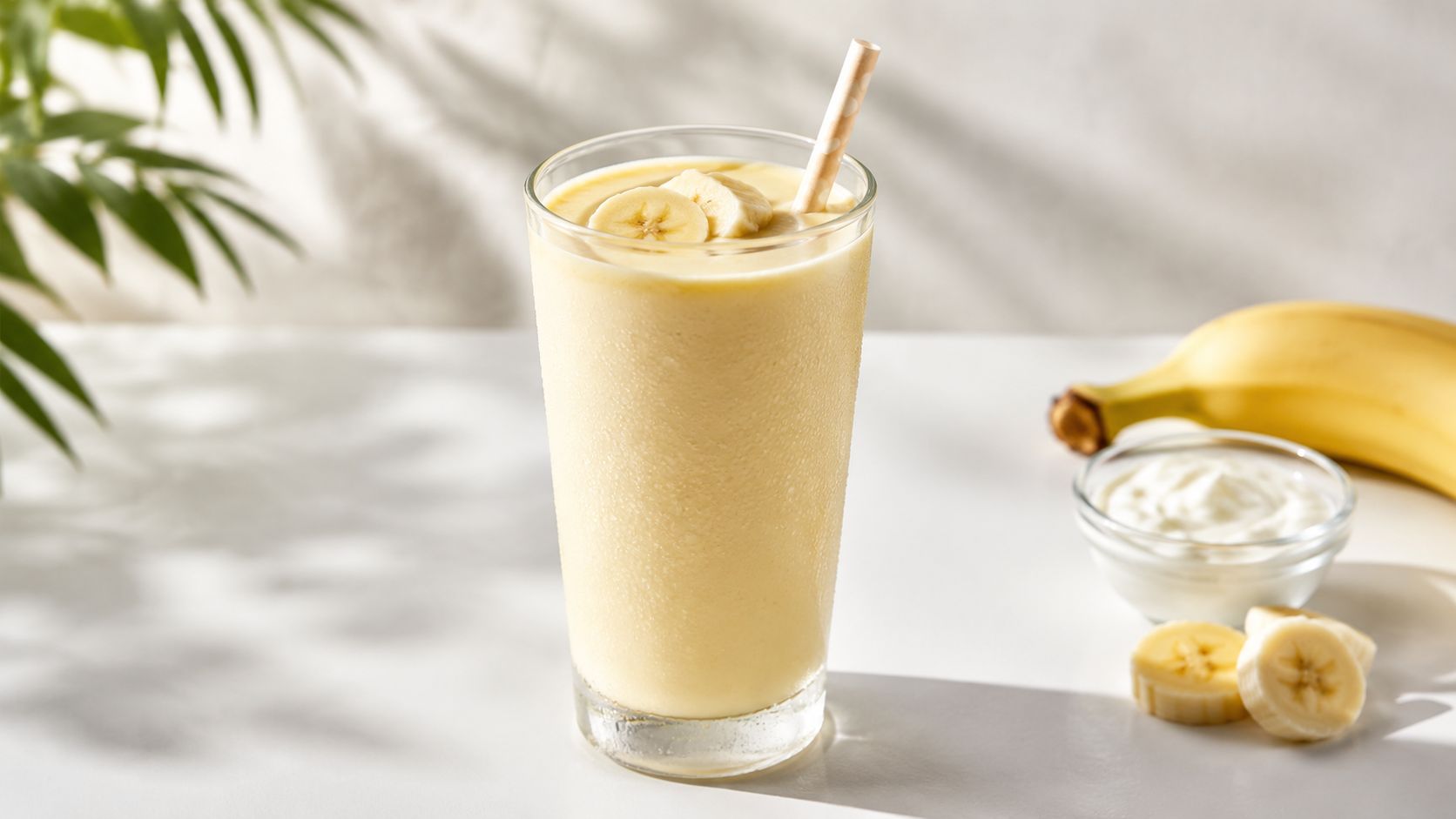
Smoothies solve a problem many people run into with canker sores. They know they should eat, but chewing feels miserable. A well-made smoothie lets you drink calories, protein, and fluid with very little irritation.
This matters more than people realize. Mainstream advice often lists soft foods, but fewer sources explain how to keep hydration and nutrition up when eating hurts. Another practical angle is to moisten or blend foods, use room-temperature or cool options, and personalize choices based on which foods personally sting for you, rather than assuming every trigger applies equally, as described in guidance on canker sore food personalization.
Build a smoothie that won't sting
The safest base is usually plain yogurt, milk, or a non-acidic alternative, plus soft fruits such as banana. If you want more staying power, add protein powder or a spoonful of peanut butter if you tolerate it well.
A few combinations that tend to work:
- Banana and yogurt smoothie: Mild, creamy, and usually well tolerated.
- Banana with protein powder and milk: A practical meal replacement when chewing is hard.
- Avocado and banana blend: Smooth and filling.
- Applesauce smoothie base: Useful if berries feel too irritating.
Drink through a straw if it helps direct liquid away from the sore.
What doesn't work well? Citrus-heavy smoothies, pineapple blends, fizzy add-ins, or anything packed with seeds. Even healthy foods can be the wrong choice if they sting exposed tissue. The best smoothie during a flare-up is the one you can finish comfortably.
7. Soft Cheese (Cottage Cheese, Ricotta, or Cream Cheese)
You open the fridge, want something with a little substance, and realize almost everything sounds painful to chew. Soft cheese is often a practical middle-ground option on days like that.
Cottage cheese, ricotta, and plain cream cheese are cool, mild, and easy to eat in small amounts. They also give you a break from the same rotation of yogurt, broth, and mashed foods. In practice, that variety matters. People are more likely to keep eating enough when the menu does not feel repetitive.
These choices can work well for a quick snack or a light meal, especially if the sore is making regular foods unpleasant. Cottage cheese usually has the least effort involved. Ricotta is smoother and often easier to mix into other soft foods. Cream cheese is richer, so a little usually goes a long way.
Easy ways to use soft cheese
Use soft cheese in ways that keep texture low and flavor gentle:
- Plain cottage cheese: Serve it cold and eat it by the spoonful.
- Ricotta with soft pasta or mashed vegetables: A good option if tomato sauce is too sharp right now.
- Cream cheese on very soft bread or a soft bagel piece: Best once the sore is starting to calm down.
- Ricotta stirred into mashed potatoes: Adds protein and a smoother texture without much extra chewing.
There is one trade-off to keep in mind. Dairy is soothing for many people, but not for everyone. If a food feels sticky, coats the sore in an irritating way, or just does not sit well in your mouth, skip it and choose something else. The goal is to keep you eating comfortably, not to force a food that sounds good on paper.
This is also the kind of small, practical decision that fits with preventive dental care that supports day-to-day oral comfort. At-home choices help during a short flare-up, and a dental visit helps if sores keep returning, last longer than expected, or start interfering with normal eating.
8. Honey and Herbal Teas
Honey and mild herbal tea can be soothing, but the details matter. Tea that's too hot can make a canker sore feel worse, so let it cool first. A warm-to-cool chamomile tea with a little honey is usually a gentler choice than coffee, which appears on many avoidance lists for active sores.
Honey is also useful because it's easy to take in even when you don't want a full snack. A small amount can coat the mouth briefly and make things feel calmer for a little while.
The right way to use them
Chamomile tea is often the easiest place to start because it's mild and familiar. Sage tea may be comfortable for some people too, as long as it isn't very hot. Skip lemon, citrus blends, and strongly spiced teas while the sore is active.
For oral comfort overall, this fits into the same prevention-minded thinking we use in preventive dental care. Small choices at home often make a big difference in how comfortable your mouth feels day to day.
A few practical tips:
- Let tea cool down first: Heat can sting exposed tissue.
- Keep flavors simple: Citrus and strong spice blends are more likely to irritate.
- Use honey in small amounts: Enough to soothe, not so much that it feels sticky and unpleasant.
- Avoid coffee during the tender stage: It's commonly listed among foods and drinks that may aggravate discomfort.
There's also an important bigger-picture point. Most canker sores settle on their own, but recurrent or severe sores can sometimes be associated with nutrient deficiencies such as vitamin B12, folic acid, and ferritin, and JAMA notes that B12 supplementation may help speed healing in some cases even without a confirmed deficiency. If sores keep returning, it's worth bringing that up during a dental visit or with your physician.
8 Soothing Foods for Canker Sores, Quick Comparison
| Item | Implementation complexity | Resource requirements | Expected outcomes | Ideal use cases | Key advantages |
|---|---|---|---|---|---|
| Soft Yogurt | Low, ready-to-eat | Refrigerator; plain unsweetened | Immediate cooling, probiotic support, aids tissue repair | Frequent soothing for mild–moderate pain; lactose-tolerant patients | Soothes pain, probiotics, protein, low acidity |
| Ice Cream or Frozen Yogurt | Low, store-bought or simple prep | Freezer; choose low-sugar options | Rapid temporary numbing; helps maintain calories | Acute pain relief, children, when eating is painful | Fast numbing relief, palatable, calorie-dense |
| Bone Broth or Vegetable Broth | Medium, cook or purchase | Stove/slow cooker; refrigeration/freezer | Supplies collagen, amino acids, minerals; supports healing and reduces inflammation | Healing phase when chewing is difficult; nutrient replenishment | Collagen-rich, anti-inflammatory, nutrient-dense |
| Smooth Nut Butters (Peanut/Almond) | Low, ready or blend into foods | Jarred or homemade; watch for allergens | High-protein and fat support; may coat and soothe mucosa | Energy-dense nutrition when chewing limited and no allergy | Protein and healthy fats, sustained energy, versatile |
| Mashed Potatoes | Low–Medium, simple cooking | Stove/pot; butter or soft add-ins; temp control | Gentle on sores; provides carbs, potassium; protective texture | Meals for all ages; universally tolerable soft food | Soft, satisfying, inexpensive, easily customized |
| Smoothies and Protein Shakes | Medium, blender required | Blender, ingredients, protein powder optional | Comprehensive nutrition; customizable anti-inflammatory ingredients | When full nutrition is needed without chewing; portable option | Complete nutrients, customizable, temperature control |
| Soft Cheese (Cottage, Ricotta, Cream Cheese) | Low, ready-to-eat | Refrigerator; plain varieties preferred | Provides calcium and protein to support tissue/tooth health | Supplemental calcium/protein during healing; mild soreness | High calcium/protein, creamy texture, versatile |
| Honey and Herbal Teas | Low, brew or apply | Hot water, quality honey; allow cooling | Antimicrobial and anti-inflammatory effects; soothing warmth | Topical application or soothing drinks; natural healing support | Active healing properties, natural, easy to apply |
Your Partner in Complete Oral Health in Cornelius, NC
Canker sores are common, but that doesn't mean they're easy to live with. When your mouth hurts, even simple meals can become stressful. The best short-term approach is usually straightforward: choose foods that are soft, bland, cool or room temperature, and easy to swallow. Yogurt, ice cream, broth, smoothies, mashed potatoes, soft cheese, and other gentle options can help you stay comfortable while the sore heals.
What usually doesn't work is just as important. Spicy foods, citrus, tomato products, salty snacks, crunchy foods, alcohol, fizzy drinks, very hot foods, and rough textures tend to make an already irritated sore feel worse. If a food burns, scratches, or sticks to the area, it's not the right choice for that stage of healing.
Canker sores usually resolve without major treatment, but recurring sores deserve attention. If the same problem keeps coming back, if eating and drinking become too difficult, or if you're not sure whether it's a canker sore or something else, that's the right time to get professional guidance. Good dentistry isn't only about fillings, whitening, Invisalign, or dental implants. It's also about helping patients stay comfortable, informed, and confident with the small problems that affect daily life.
At Dr. Skotzko Family and Cosmetic Dentistry, we believe that kind of support matters. Families in Cornelius, NC, as well as nearby Davidson and Huntersville, deserve a dental home that can help with both long-term smile goals and everyday oral health concerns. That includes preventive care, family dentistry, restorative treatment, and cosmetic options in a setting that stays focused on comfort and clear communication.
If you've been searching for what to eat with canker sores and still feel unsure about what's safe, we're happy to help. Sometimes a few practical adjustments are enough. Other times, repeated sores point to a bigger pattern worth discussing. Either way, you don't have to guess your way through it.
A healthy smile is built over time. Smart home care, regular exams, and early attention to problems all work together. That's the philosophy behind the care we provide every day at Dr. Skotzko Family and Cosmetic Dentistry in Cornelius, NC.
If you need help with canker sores, preventive care, family dentistry, cosmetic treatment, or restorative options, schedule a visit with Skotzko Family Dental Clinic. Dr. Skotzko Family and Cosmetic Dentistry proudly serves Cornelius, Davidson, and Huntersville with patient-centered care that's designed to keep your smile healthy, comfortable, and confident.