
Cornelius Tooth Extraction Aftercare Instructions
June 6, 2026
What to Eat with Canker Sores: Soothe & Heal Fast
June 8, 2026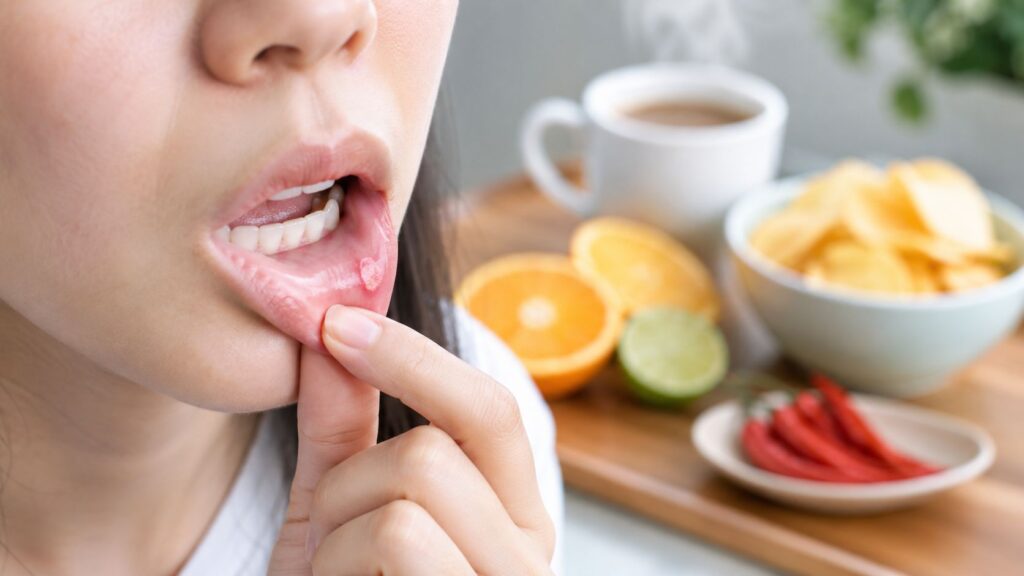
A tiny canker sore can make your whole day feel off. Breakfast stings, coffee burns, and even talking can feel awkward when one sore spot keeps rubbing against your teeth or tongue. If that sounds familiar, you're in good company. Canker sores are common, and Cleveland Clinic notes they affect about 20% of the general population.
The good news is that food choices can make a real difference while a sore is active. Most foods don't cause a canker sore all by themselves, but many can make an existing sore hurt more and heal more slowly. In plain terms, the problem is usually irritation. Some foods sting because they're acidic or spicy. Others scrape the sore because they're rough, sharp, or crunchy.
At Skotzko Family Dental Clinic, we want patients in Cornelius, NC, to have practical guidance they can use the same day. If you're searching for foods to avoid with canker sores, start with the list below. Each category includes the reason it bothers sore tissue, a few familiar examples, and easier swaps that are gentler on your mouth.
1. Acidic Foods and Beverages
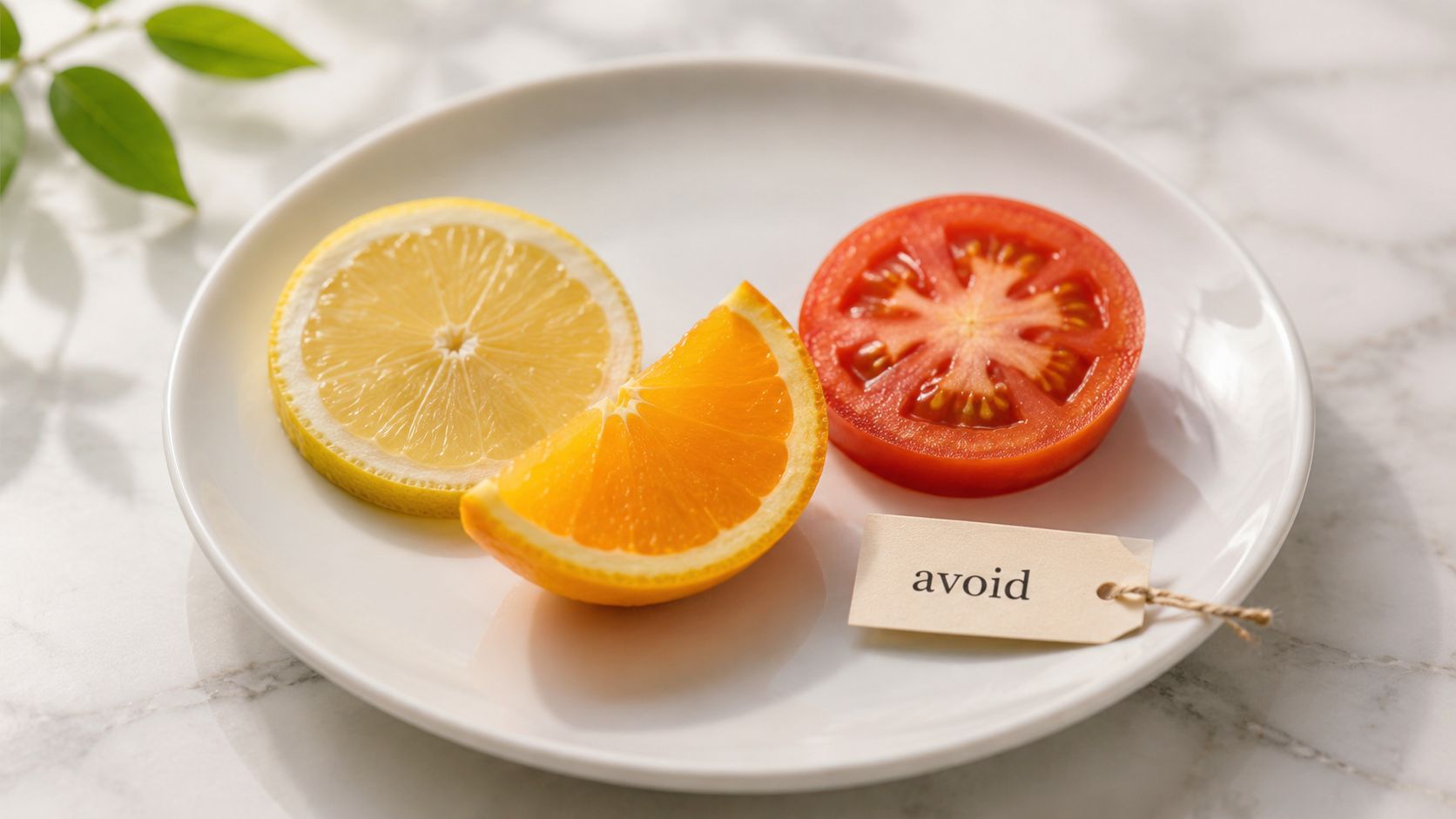
You sit down with a glass of orange juice, take one sip, and the sore flares right away. That fast sting is a useful clue. Acidic foods and drinks often irritate canker sores because the surface of the sore is already raw, almost like skin that has been scraped and then touched with lemon juice.
The key point is simple. Acid usually does not cause the sore in the first place. It makes an existing sore feel sharper, more tender, and harder to ignore. Common troublemakers include citrus fruits, pineapple, kiwi, tomatoes, salsa, tomato sauce, vinegar-based dressings, soda, sports drinks, and energy drinks.
Coffee can bother some people too, especially if it is strong, hot, or paired with a sore near the tip of the tongue or inside the lip. The reaction is not the same for everyone, which is why your own mouth is often the best guide. If something causes instant burning, your tissue is telling you to give it a break for a few days.
A helpful way to think about it is this: inflamed mouth tissue has less tolerance. Foods that seem normal when your mouth is healthy can suddenly feel harsh when a canker sore is present.
Easier swaps when your mouth is sore
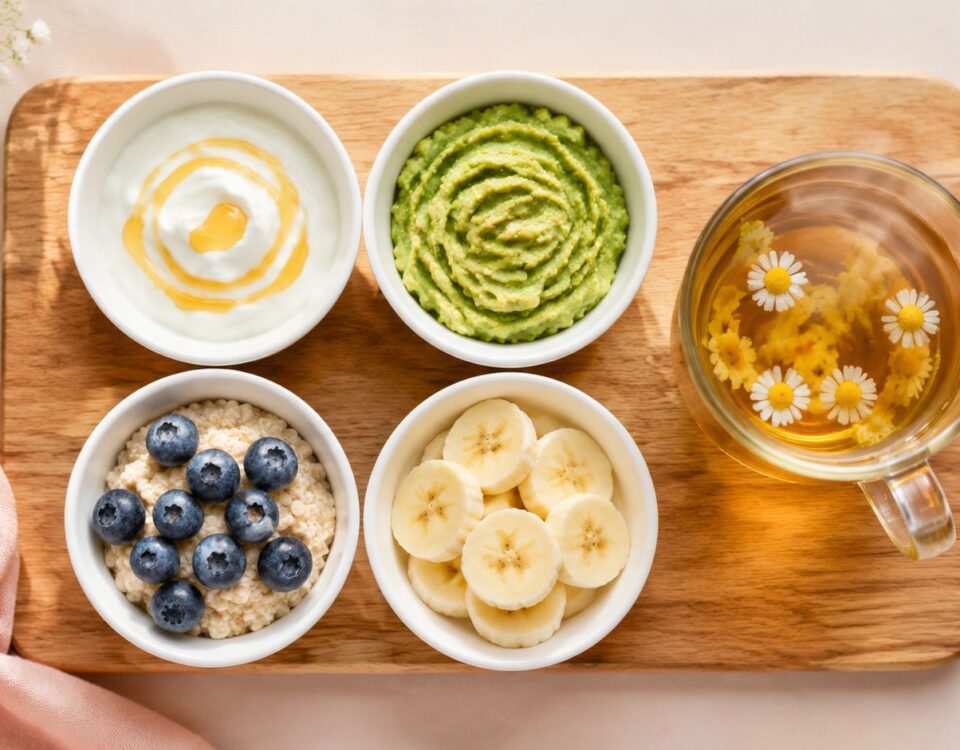
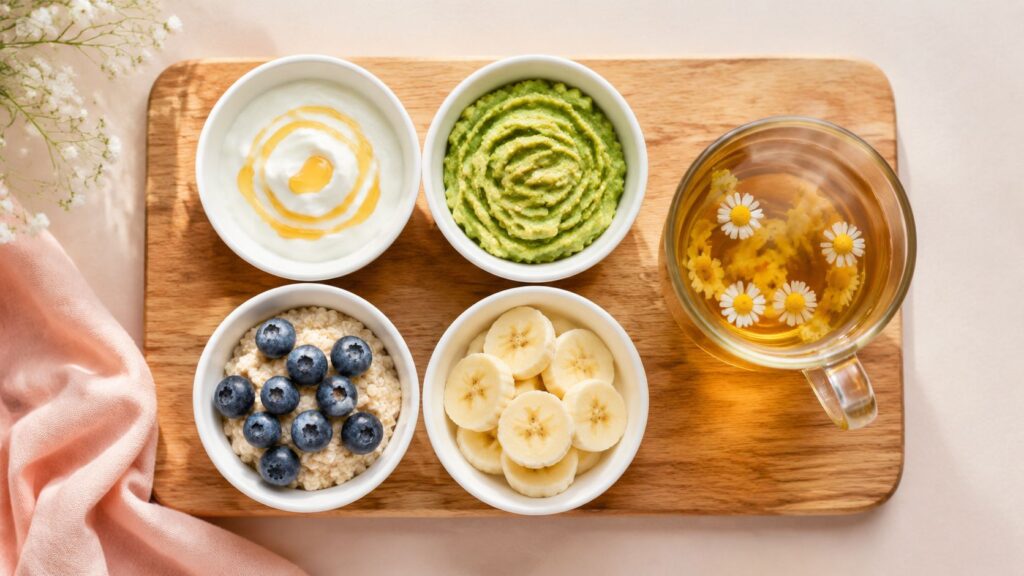
Instead of focusing only on what to avoid, try building meals around foods that feel calm and low sting. Milk, plain yogurt, oatmeal, mashed potatoes, applesauce, pudding, smoothies without citrus, and soft pasta are often easier on sore tissue.
Here is a practical example. If marinara on pasta burns, switch to buttered noodles, a mild cream sauce, or a little olive oil. If your usual afternoon snack is pineapple or grapefruit, try banana, melon, or a chilled yogurt cup instead. Those swaps keep you eating without turning every bite into a reminder that the sore is there.
Practical rule: If a food causes immediate stinging, set it aside until the sore has time to heal.
A few eating techniques can help too:
- Sip carefully through a straw: This can reduce contact between a drink and the sore, especially if the sore is near the front of the mouth.
- Rinse with plain water after meals: It helps wash away acidic residue that can keep the area irritated.
- Choose smooth, mild textures: If canker sores keep coming back or seem connected to cheek biting, rough edges on a tooth, or another source of irritation, the general dentistry team at Skotzko Family Dental Clinic can help you sort out the cause.
For many Cornelius patients, small food changes make a big difference in comfort. The goal is not to eat a perfect diet. It is to lower irritation while your mouth heals.
2. Spicy and Hot Foods
Spicy food is a common trigger because sore tissue is already raw. Add hot sauce, curry paste, crushed red pepper, jalapeños, buffalo sauce, horseradish, or spicy mustard, and the area often lights up right away.
This category matters because canker sores respond poorly to chemical irritation. Clinical guidance consistently recommends avoiding foods that worsen pain and instead replacing them with soft, cold, bland choices. Breast Cancer.org advises avoiding hot, spicy, acidic, hard, and crunchy foods because they can burn, sting, or scratch mouth sores and may delay healing, as explained in its guidance on eating with a sore mouth.
What this looks like in everyday meals
Dinner is where people usually run into trouble. A spicy taco bowl, hot chicken wings, a Thai curry, or chili can be fine one week and miserable the next if a canker sore appears. The same goes for “just a little” hot sauce. Even a small amount can make eating feel worse than the sore itself.
Temperature can add to the problem. A dish that's both spicy and steaming hot tends to be even more irritating than one that has cooled. If you're making food at home, let it sit a few minutes and choose the mildest version you have.
Cool, bland, and soft usually beats hot, spicy, and textured when a sore is active.
Try these practical swaps:
- Trade heat for flavor: Use mild herbs, a little olive oil, or a creamy sauce instead of chili flakes or hot sauce.
- Keep dairy nearby if tolerated: Milk or yogurt may feel soothing after accidental spice exposure.
- Build a short “safe foods” list: Plain rice, scrambled eggs, mashed potatoes, yogurt, smoothies, and mild soups are useful standbys.
If you love spicy food, you probably won't need to avoid it forever. The key is temporary rest for the sore tissue so the area can calm down.
3. Hard, Crunchy, and Sharp Foods
A canker sore doesn't just react to what's in a food. It also reacts to the food's shape and texture. That's why chips, pretzels, crusty bread, popcorn kernels, nuts, seeds, raw carrots, and crackers are often some of the worst offenders.
The issue here is mechanical irritation. These foods can scrape the sore, poke the tissue around it, or keep reopening the tender area as you chew. Clinical guidance commonly lists abrasive foods such as pretzels, chips, nuts, and other sharp or crunchy foods among the most reliable foods to avoid with canker sores, while also suggesting softer substitutions like yogurt, pudding, soups, and ice cream in GoodRx's canker sore food guide.
Texture matters more than many people realize
Think about a handful of tortilla chips. Even if they aren't spicy, the edges can drag across the sore and make it feel larger and more painful. The same goes for a crunchy granola topping, a hard baguette crust, or raw vegetables that need forceful chewing.
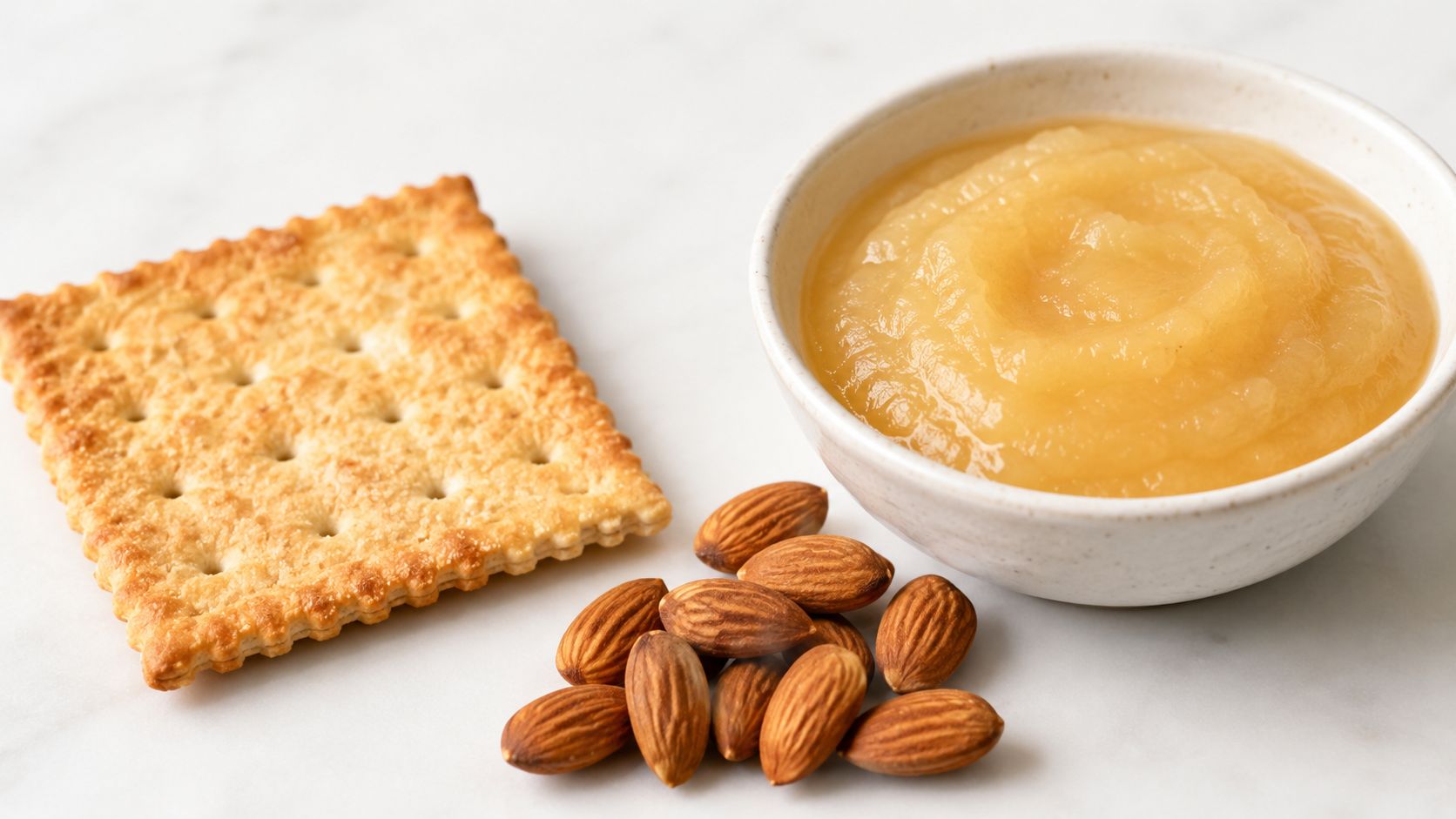
Some people notice this most during healthy snacking. Raw apple slices, almonds, sunflower seeds, and baby carrots are nutritious foods, but they can be tough on an active sore because they're firm and abrasive.
Try these small changes instead:
- Soften produce: Steam carrots or broccoli instead of eating them raw.
- Swap the texture: Choose applesauce instead of apple slices, or oatmeal instead of granola.
- Chew away from the sore: If the ulcer is on one side, use the other side of your mouth when possible.
If sharp foods seem to trigger frequent mouth irritation, it's worth keeping an eye on the bigger picture. Preventing repeated trauma matters, and regular preventive dental care can help catch rough edges, bite issues, or habits that keep sensitive tissue irritated.
4. Salty and Heavily Seasoned Foods
You sit down with what seems like a harmless lunch. A turkey sandwich, a few pickles, some chips on the side. Then the canker sore starts to sting with almost every bite.
Salt often causes that reaction because it lands directly on already inflamed tissue. A canker sore is like a small raw spot in the lining of the mouth, so salty or heavily seasoned foods can feel harsh fast. Patients in Cornelius often notice this with potato chips first, but pretzels, salted nuts, deli meats, pickles, soy sauce, salty broths, and seasoned snack foods can cause the same problem.
A common point of confusion is saltwater rinses. Those are diluted and used briefly, which is very different from chewing food that holds concentrated salt and seasoning against the sore. The issue is less about salt existing at all and more about how much touches the ulcer, and for how long.
Salt hides in more foods than you might expect
Processed foods tend to cause trouble because several salty ingredients can show up in the same meal. A sandwich is a good example. Cured meat, cheese, pickles, condiments, and a salty side can layer irritation bite after bite.
Seasoned snack foods can be even tougher. Barbecue chips, flavored crackers, ramen seasoning, and cheesy snack mixes often combine high seasoning with a texture that keeps scraping the area. That one-two punch can make a sore feel more angry than the food itself would suggest.
At Skotzko Family Dental Clinic, we often encourage patients to look for patterns instead of memorizing a long "avoid" list. If plain mashed potatoes feel fine but seasoned fries burn, seasoning is likely the main issue. If salted crackers hurt but soft bread does not, both salt and texture may be involved.
Try these simpler swaps:
- Choose milder basics: Plain noodles, rice, oatmeal, mashed potatoes, and scrambled eggs are often easier to tolerate.
- Use gentler flavoring: A little butter, olive oil, or mild herbs may feel better than salty spice blends or packet seasonings.
- Rinse with plain water after eating: This helps wash away leftover salt and seasoning so it does not sit on the sore.
Small changes can make meals much more comfortable. If your mouth keeps reacting to everyday foods or sores return often, a dental exam can help rule out ongoing irritation and give you a clearer plan for relief.
5. Rough and Sticky Foods
You take a bite of what seems like a safe snack, maybe a spoonful of peanut butter or a chewy granola bar, and the sore suddenly feels more irritated with each chew. The problem is not always heat, spice, or salt. Sometimes it is the way a food grabs onto the tissue and keeps rubbing the same tender spot.
Rough and sticky foods can bother a canker sore for two reasons. First, they create friction. Second, they tend to linger. A sore inside the mouth is a shallow break in the surface tissue, so anything that drags across it or stays pressed against it can keep that area feeling raw.
Foods in this group include dried fruit, caramel, taffy, chewy granola bars, marshmallows, thick peanut butter, and even certain breads or toast when they are dry and coarse. Stretchy foods can also be a problem if they pull on the cheek or lip while you chew.
A simple way to picture it is this. Smooth foods slide past the sore. Sticky foods act more like tape or wet cement. They cling, pull, and leave residue behind.
That is why texture matters just as much as flavor for some patients in Cornelius. A banana may go down easily, while raisins can get packed against the sore. Soft oatmeal may feel fine, while crusty peanut butter toast can combine scraping and sticking in the same bite.
At Skotzko Family Dental Clinic, we often encourage patients to test meals in a practical way. Ask what the food is doing in your mouth. Is it gliding, or is it dragging? Is it easy to swallow, or does it take a lot of chewing? Those small observations can help you spot your personal triggers faster than memorizing a long list.
Try these gentler swaps and eating habits:
- Swap dried fruit for softer fruit: Applesauce, ripe bananas, canned peaches, or soft pears are often easier on irritated tissue.
- Choose smooth protein options: Yogurt, cottage cheese, scrambled eggs, hummus, or thinner nut butters can be more comfortable than chewy bars or thick spreads.
- Soften dry foods before eating: Add broth to rice, milk to oatmeal, or extra moisture to sandwiches so food slides more easily.
- Take smaller bites and sip water between them: This helps wash away residue before it sits on the sore.
- Use a spoon instead of biting into firm foods: Sometimes changing how you eat matters as much as changing what you eat.
Personal patterns still matter. Some people can handle a soft tortilla but not melted cheese that stretches across a sore on the inner cheek. Others do fine with peanut butter when it is blended into a smoothie but not when it is spread thickly on toast. If sores keep returning or everyday foods regularly cause pain, our team can help you sort out whether the issue is texture, location, or another source of irritation.
6. Alcohol and Mouthwashes with High Alcohol Content
Alcohol can be a double irritant. It can sting on contact, and it can leave the mouth feeling dry. Dry tissues tend to feel more sensitive, which is the last thing you want when a canker sore is already exposed.
This applies to more than wine, beer, and liquor. Some mouthwashes and liquid products also contain enough alcohol to make sore tissue burn. Clinically oriented patient guidance also flags coffee, chocolate, and alcohol as common non-obvious triggers when sores are active, and advises getting evaluated if sores persist beyond about two weeks.
What to skip for now
A glass of wine with dinner might seem harmless until it hits the sore. The same goes for a swish of alcohol-based mouthwash after brushing. Many patients describe a sharp, immediate burn followed by lingering irritation.
If your mouth already feels dry from stress, medications, or not drinking enough water, alcohol can make the discomfort more noticeable. That's one reason cold water and non-irritating drinks often feel much better during a flare.
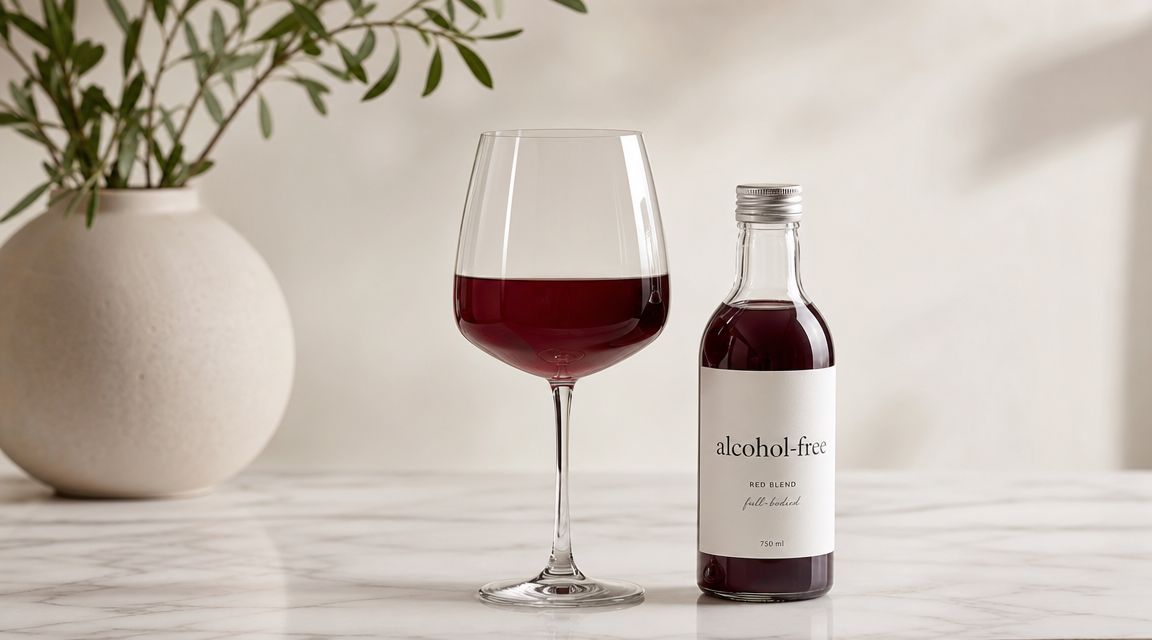
A few practical alternatives:
- Use alcohol-free mouthwash: If you want a rinse, choose one labeled alcohol-free.
- Try a simple home rinse: Plain water or a saltwater rinse may feel gentler for many people.
- Pick non-alcoholic drinks: Cold water, milk, or a smoothie usually causes less irritation than beer or wine.
If a sore keeps coming back, it's smart not to rely only on food changes. Recurrent ulcers can sometimes connect to bigger issues, including nutritional concerns, and that's worth discussing with a dental or medical professional.
7. Extremely Hot Temperature Foods and Beverages
Sometimes the problem isn't the ingredient at all. It's the temperature. A very hot drink or freshly cooked food can irritate a canker sore on contact and make the area feel more swollen and tender afterward.
This comes up often with coffee, tea, hot chocolate, soup, oatmeal, pasta, and microwave leftovers that are hotter than they seem. Even a mild food can hurt if it's steaming.
Let it cool before the first bite
Temperature control is one of the easiest changes you can make. Instead of eating soup right off the stove or taking a sip of coffee the minute it's poured, give it time to cool. Many patients find that lukewarm or cool foods are much easier to tolerate than anything hot.
That lines up with broader nutrition guidance for mouth sores, which often recommends cold fluids and soft foods while avoiding anything that burns, stings, or scratches. Ice cream, yogurt, pudding, cool smoothies, and chilled applesauce are common examples because they combine soft texture with soothing temperature.
If you wouldn't pour it on irritated skin, don't let it hit an open sore in your mouth.
A few simple habits help:
- Test the temperature first: Take a tiny sip or bite before a full mouthful.
- Stir hot foods well: This helps release trapped heat, especially in soups and reheated meals.
- Choose cool options when possible: Smoothies, yogurt, and chilled soups can be easier during a flare.
For many people in Cornelius, the biggest offenders are morning coffee and evening soup. You don't always have to eliminate them. Letting them cool can be enough to make eating and drinking much more comfortable.
7-Point Comparison: Foods to Avoid with Canker Sores
| Item | Implementation complexity | Resource requirements | Expected outcomes | Ideal use cases | Key advantages |
|---|---|---|---|---|---|
| Acidic Foods and Beverages | Moderate, requires deliberate dietary changes | Low, straw use, rinses, alkaline substitutes | Reduced pain and faster healing when avoided | Active canker sore management and frequent recurrences | Clear identification by taste; straightforward avoidance guidance |
| Spicy and Hot Foods | Low–moderate, avoid spices or cool foods; cultural barriers possible | Low, mild substitutes, dairy to neutralize | Immediate symptom relief and less inflammation | Acute symptom control during healing | Rapid reduction in pain when eliminated |
| Hard, Crunchy, and Sharp Foods | Low, replace with soft-prepared foods | Low–medium, cooking/softening, prep time | Prevents mechanical trauma; supports faster healing | Preventing re‑injury during active ulcers | Objective avoidance; many soft nutritious alternatives |
| Salty and Heavily Seasoned Foods | Moderate, requires label reading and recipe changes | Low, low‑sodium products, herbs for flavor | Less chemical irritation and reduced discomfort | Those sensitive to salt or with processed‑food diets | Health benefits beyond sore care; many salt‑free options |
| Rough and Sticky Foods | Low–moderate, avoid adhesive textures and chewy items | Low, smooth substitutes, extra oral hygiene | Reduced adherence to sores and fewer reopenings | Active healing phase to prevent lodging and pulling | Temporary avoidance; many smooth alternatives available |
| Alcohol and Alcohol‑Based Mouthwashes | Low, switch to alcohol‑free products and rinses | Low, alcohol‑free mouthwash, salt water rinses | Reduced drying and chemical irritation; faster healing | Oral care during healing and for mouthwash users | Clear alternatives; improves overall oral comfort |
| Extremely Hot Temperature Foods & Beverages | Very low, cool foods to lukewarm before eating | Minimal, waiting time, optional thermometer | Immediate reduction in thermal irritation; supports healing | Quick symptom mitigation for all with sores | Simple control without eliminating foods |
Your Next Steps for Oral Health and Comfort in Cornelius
If you're dealing with a canker sore right now, the most helpful first move is simple. Stop feeding the sore foods that keep irritating it. In most cases, that means avoiding acidic, spicy, salty, sharp, sticky, alcoholic, and very hot foods until the area feels calm again. Soft, bland, cool foods are usually the easiest place to start.
It also helps to remember what these foods are doing. They usually aren't the root cause of the sore. More often, they aggravate tissue that's already inflamed. That's why two people can eat the same salsa or chips and have very different experiences, and why your own triggers may vary from one flare to the next.
Personal patterns matter. Some people react most strongly to citrus and tomatoes. Others notice that popcorn, pretzels, or crusty bread are problematic because they scrape the area. Some can handle a food if it's softened, cooled, or cut into smaller pieces. Paying attention to that pattern can make future flares easier to manage.
There's another piece people often miss. If you keep cutting foods out, you still need a balanced diet. Guidance for recurrent canker sores sometimes points to possible nutritional deficiencies, including folic acid, vitamin B12, zinc, and iron. If sores happen often, it's worth getting professional advice instead of guessing and restricting more foods on your own.
A sore that lingers also deserves attention. If a canker sore lasts longer than two weeks, or if sores come back frequently, it's a good idea to be evaluated rather than relying on home care alone. A dental exam can help rule out other causes of mouth pain, identify irritation from teeth or dental work, and guide you toward treatment that fits your situation.
That's where Dr. Skotzko Family Dental Clinic can help. We're proud to support patients in Cornelius, NC, with practical, patient-centered care that goes beyond the basics. If recurring mouth sores are making meals uncomfortable, interfering with brushing, or leaving you unsure what to eat, our team can help you sort through likely triggers and next steps.
For families looking for a long-term dental home, comfort matters. So does clear guidance you can put to use. At Dr. Skotzko Family Dental Clinic, we believe both should be part of every visit.
If canker sores are making daily life uncomfortable, schedule a visit with Skotzko Family Dental Clinic. Dr. Skotzko and the team are here to help patients in Cornelius, NC, and nearby communities find the cause of ongoing irritation, protect their oral health, and get back to eating and smiling more comfortably.