
Family Dentistry 101: Building Lifelong Smiles Together
December 12, 2025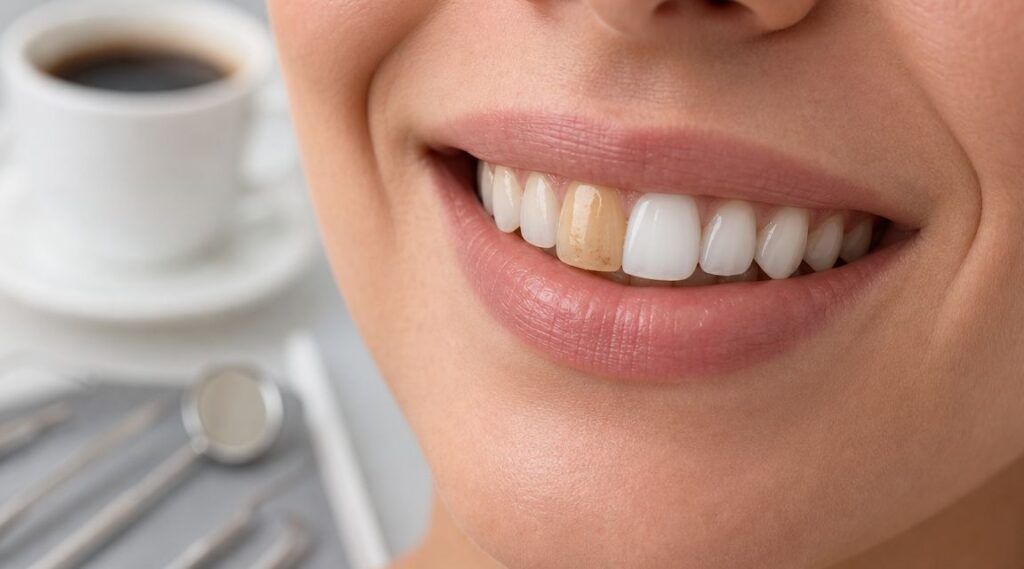
You catch your smile in the bathroom mirror before work. The teeth look healthy enough, but they don't look as bright as they used to. Maybe the front teeth seem a little more yellow. Maybe one tooth looks darker in photos. Maybe you've tried whitening toothpaste and wondered why it helped only a little, or not at all.
That moment is common. It also confuses a lot of people, because tooth discoloration doesn't come from just one thing. Coffee can stain teeth. Age can change tooth color. A childhood medication can affect teeth years later. Even some mouth rinses can leave yellow-brown staining behind.
Patients often assume discoloration means they did something wrong. That's usually not the case. In many situations, the color change has a very specific cause, and once you identify that cause, the right treatment becomes much clearer.
As a dentist, I like to explain this the same way I would during a visit. To understand what causes tooth discoloration, the answer usually starts with one simple question: is the color change sitting on the outside of the tooth, or is it coming from inside the tooth itself?
Is Your Smile Not as Bright as It Used to Be?
A patient might tell me, "I brush every day, so why do my teeth still look dull?" That's a fair question. The answer is that tooth color isn't just about brushing. Teeth are exposed to pigments, acids, plaque, normal wear, and changes in the tooth structure over time. Some of those changes happen gradually enough that you don't notice them until one day you do.
One person notices stains near the gumline after years of coffee. Another sees a more general yellow tone that shows up with age. Someone else has one tooth that darkened after an old injury. These don't all mean the same thing, and they don't all respond to the same treatment.
A discolored smile is common, and in many cases it's treatable. The key is finding the reason before choosing the fix.
A surface stain may respond very well to a professional cleaning or whitening, whereas a deeper internal stain may need a different cosmetic approach altogether. Using the wrong solution for the wrong kind of discoloration can lead to frustration and continued unhappiness with the color of your smile.
People also get tripped up by what "white teeth" should look like. Natural teeth aren't paper white. They have depth, translucency, and a range of normal shades. The goal isn't to chase an artificial color. It's to understand what's changed, what can be improved, and what options make sense for your teeth.
The Two Main Types of Tooth Discoloration
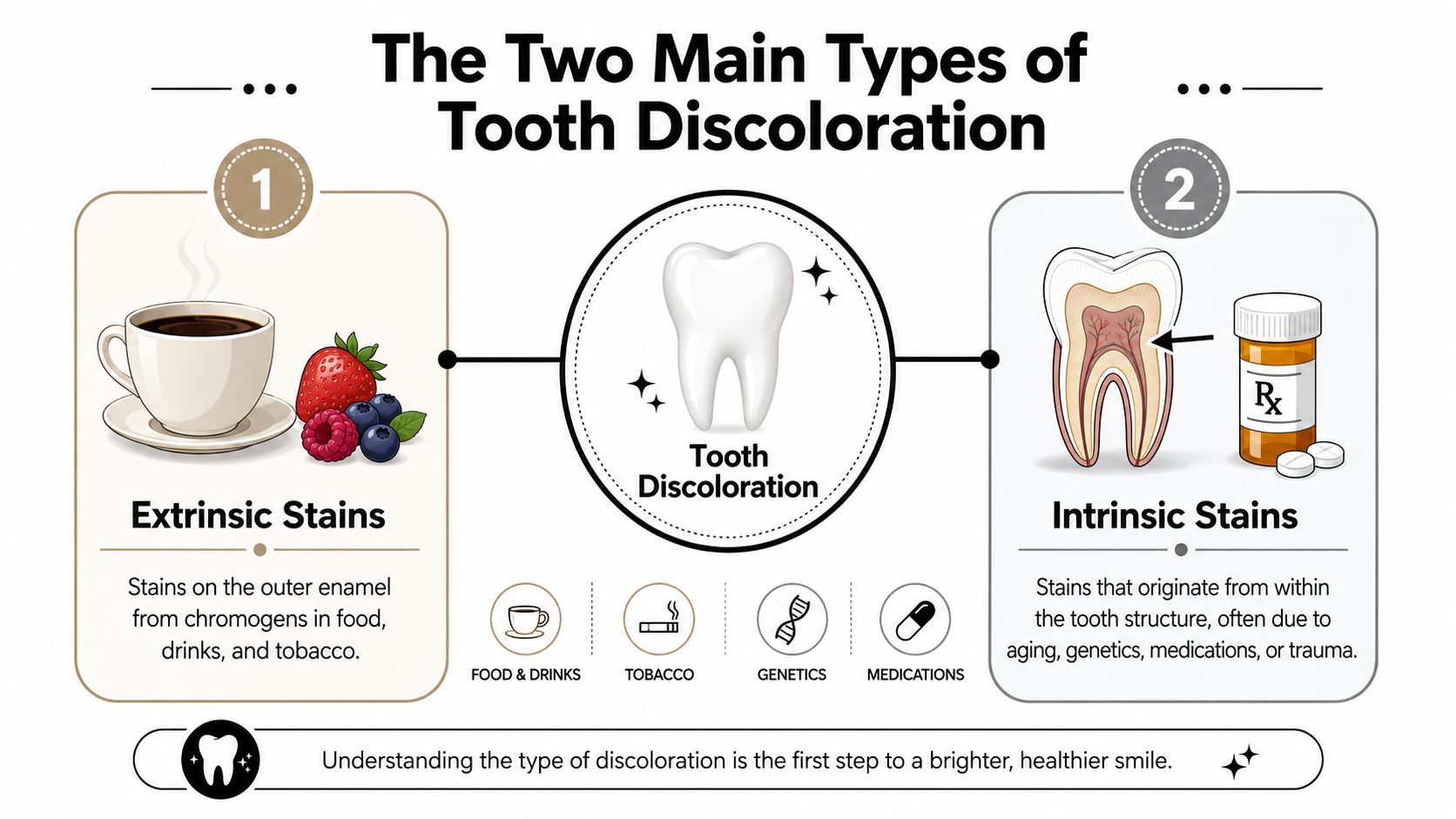
When dentists talk about discoloration, we usually start with extrinsic and intrinsic staining. There's also age-related discoloration, which often involves parts of both. A review of tooth color science explains that extrinsic staining collects on the enamel surface from chromogens in coffee, tea, red wine, tobacco, and plaque-retained debris, while intrinsic discoloration comes from changes within the tooth structure itself, especially dentin color and enamel translucency. That same review also notes that tooth color is largely determined by dentin, so anything that thins enamel or darkens dentin can make teeth look more yellow or gray-brown over time, as described in this clinical review of tooth discoloration and bleaching.
Extrinsic stains stay on the outside
Think of extrinsic stains like a coffee spill on a white shirt. The color sits on the surface. On teeth, those pigments collect on the outer enamel, often with help from plaque and tartar. Dark beverages, tobacco, and poor plaque control make this more noticeable.
These stains tend to build slowly. Many people don't notice the shift day to day, but after a few years they see a smile that looks more yellow, brown, or dull.
Intrinsic stains are built into the tooth
Intrinsic discoloration is different. This is more like fabric that was made a darker color from the start. The change is inside the tooth, not just on top of it. That can happen because of aging, trauma, certain medications during tooth development, or developmental changes in enamel and dentin.
This is why some people say, "My teeth don't look dirty, they just look darker." That's often a clue that the color change isn't only sitting on the enamel surface.
Why the distinction matters
If discoloration is mostly external, whitening and cleaning often help. If the color is internal, whitening may have limits, and treatments like bonding, veneers, or crowns may create a better result.
A simple way to think about it is this:
| Type | Where the color change happens | Common examples |
|---|---|---|
| Extrinsic | On the enamel surface | Coffee, tea, red wine, tobacco, plaque-retained pigments |
| Intrinsic | Within the tooth structure | Aging changes, trauma, developmental issues, some medications |
| Age-related | Often a mix of both | Surface stain plus thinner enamel that shows more dentin |
Most confusion about discoloration comes from assuming every stain is the same. It isn't. Once you know which category fits your teeth, the treatment path gets much easier to understand.
Common Culprits Behind Surface Stains
Surface staining is the kind people usually picture first. It comes from things that touch the teeth regularly and leave pigment behind over time. In everyday life, the usual suspects are familiar. Coffee, tea, red wine, tobacco, and plaque buildup all make the enamel look darker.
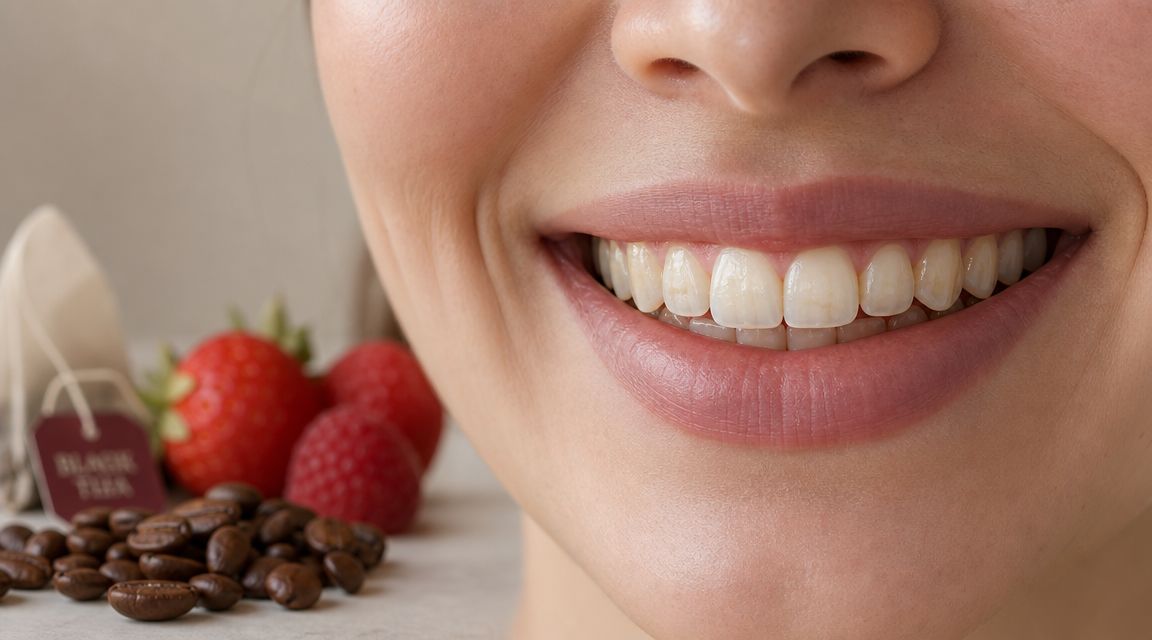
A clinical study of 383 adults found that 64 people (16.7%) had discoloration mainly from extrinsic stains incorporated into plaque and calculus, which shows that surface staining is not some rare cosmetic issue. It's a real and common contributor to how teeth look in daily practice, according to this study on causes and classification of tooth discoloration.
Coffee, tea, and red wine
These are big ones because they contain dark pigments that can cling to the tooth surface. If a person sips them often through the day, the teeth get repeated exposure. Add plaque into the mix, and those pigments have more places to stick.
Tea surprises people. Many assume coffee is the main offender, but tea can stain heavily too. Red wine combines dark pigment with acidity, which can make the enamel more vulnerable to taking on color.
Tobacco leaves stubborn staining
Smoking and chewing tobacco can create yellow, brown, and sometimes deeper-looking surface discoloration. The compounds in tobacco don't just pass by the teeth. They stick, especially around areas where plaque tends to linger.
Tobacco stains also tend to collect unevenly. That's why smokers often notice darker areas near the gumline or between teeth.
Plaque and tartar make staining worse
Pigment doesn't need a perfectly clean enamel surface to hang on. In fact, it likes the opposite. Plaque acts like a sticky film that traps color. Once plaque hardens into tartar, those stains become even more difficult to remove with regular brushing alone.
A lot of patients think they have "yellow teeth" when part of what they're really seeing is buildup holding stain on the surface.
Practical rule: If the color change is heaviest near the gumline or in hard-to-clean spots, surface stain and buildup are often part of the story.
Some oral-care products can stain too
This is the part many people never hear. Some mouthrinses and other oral-care products can contribute to yellow-brown staining. Clinical literature has noted staining associated with cetylpyridinium chloride, chlorhexidine, and stannous fluoride in some products. In many cases, that stain is extrinsic, which means a dentist can often remove it professionally.
That doesn't mean these products are always "bad." It means they should be used appropriately and with guidance when needed. If you've started a rinse and then noticed more staining, that's worth bringing up at your next dental visit.
Here's a quick visual overview of common staining habits and why they matter.
Why brushing alone may not fix it
Surface stains can be removable, but that doesn't mean a toothbrush can always handle them. Once stain gets trapped in plaque and calculus, home care has limits. Whitening toothpaste may polish lightly stained enamel, but it won't remove hardened buildup.
A better way to think about surface stains is by source:
- Dark beverages: Coffee, tea, and red wine expose teeth to repeated pigment contact.
- Tobacco use: Smoking and chewing tobacco leave sticky, persistent staining.
- Plaque retention: Areas that aren't cleaned well collect more stain.
- Mouthrinses and products: Some ingredients can interact with pigments and leave discoloration behind.
If the cause is mostly external, the good news is that treatment is often straightforward. The important part is making sure it really is external before you rely on whitening alone.
When Discoloration Comes from Within
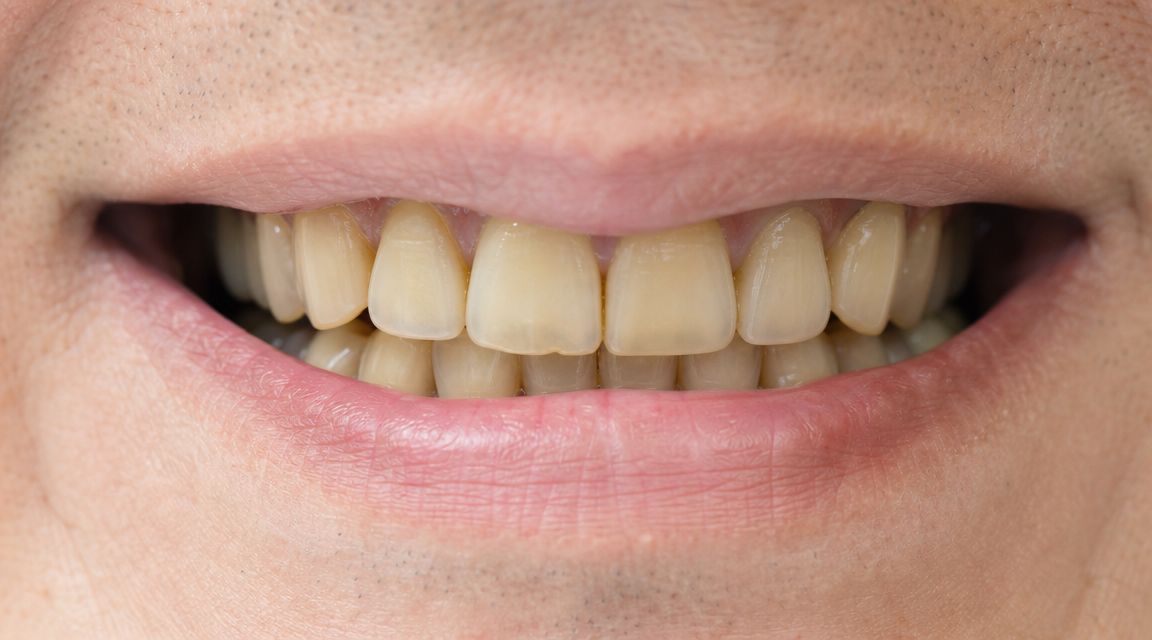
Some discoloration isn't on the outside at all. The enamel may be clean, but the tooth still looks yellow, gray, brown, or darker than the teeth around it. That's when we start thinking about internal causes.
Aging changes the look of healthy teeth
One of the most common internal reasons for color change is simple aging. The enamel doesn't stay the same thickness forever. As it thins, the yellowish dentin underneath becomes easier to see. Cleveland Clinic notes this clearly in its overview of tooth discoloration causes and risk factors.
This is why many adults feel their smile has become more yellow even though their daily habits haven't changed much. The teeth may still be healthy. They just don't reflect light the same way they did years earlier.
Childhood medications can leave a lasting mark
Some antibiotics can affect teeth while they are developing. Dental references note that tetracycline and doxycycline can be incorporated into developing teeth and cause lasting discoloration. This became especially recognized after tetracycline entered widespread use in the 1950s.
That kind of stain is very different from coffee staining. It isn't something that only formed on the outside after the tooth erupted. It's part of the tooth's structure.
Fluoride, fillings, and developmental changes
Excess fluoride during childhood can produce visible white spots or mottling. Certain dental materials, including silver amalgam fillings, can also make teeth appear grayish. These cases can be confusing because patients often expect discoloration to mean "yellow" only, but color changes can also be white, gray, or brown depending on the cause.
Some people also have natural differences in enamel and dentin that affect baseline tooth shade. So if you've always felt your teeth looked darker than someone else's despite similar habits, that may reflect tooth structure, not a failure in home care.
Trauma can darken a single tooth
A single dark tooth often raises a different question. Was there an old injury? A hit during sports, a fall, or even past dental trauma can change the color of one tooth over time. The tooth may look gray, brown, or darker than the teeth next to it.
That kind of change deserves an exam. The issue may be cosmetic, but it can also tell us something important about the health of the tooth.
If one tooth changes color and the others don't, don't guess. Have it checked.
For teeth with deeper internal staining that won't respond well to whitening alone, cosmetic coverage can make a big difference. Options such as composite veneers for stubborn discoloration may be part of the conversation when the stain is built into the tooth rather than sitting on the surface.
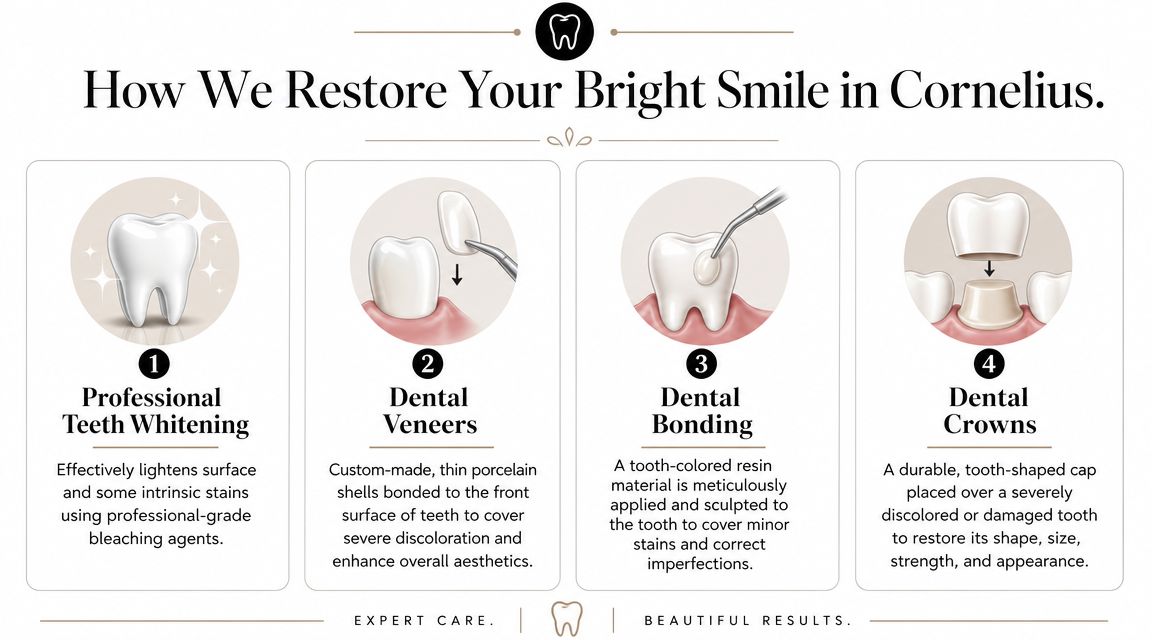
How We Restore Your Bright Smile in Cornelius
Once the cause is clear, treatment gets much more predictable. The right option depends less on how white you want your teeth to be and more on where the discoloration is coming from. Surface stains, age-related yellowing, deep internal color changes, and damaged teeth don't all need the same fix.
Professional whitening for outside stains
If the stain is mostly external, professional whitening is often the first place to look. This works best when the teeth are healthy and the color change comes from diet, tobacco, or gradual yellowing that hasn't penetrated extensively.
Whitening doesn't scrub teeth clean. It lightens stain compounds within the tooth structure and on the surface after the teeth have been properly evaluated and cleaned. That's why a whitening consultation matters. You want to know whether whitening is likely to help before you invest time in it.
For readers exploring local cosmetic options, this page on teeth whitening in Cornelius, NC gives a useful look at how whitening fits into modern dental care.
Bonding works well for select cosmetic changes
Sometimes a tooth doesn't need a full veneer or crown. It may just need a small cosmetic improvement to mask discoloration, reshape an edge, or blend a spot that stands out when you smile. In those cases, bonding can be a practical choice.
With bonding, tooth-colored material is shaped directly on the tooth. It's often a good fit for localized discoloration or mild cosmetic concerns when the underlying tooth is still in solid condition.
Veneers cover deeper or more resistant discoloration
When staining is more severe, or when a patient wants to improve both color and shape, veneers can be the better answer. Veneers cover the front surface of the tooth, so they don't rely on bleaching the underlying stain away.
This is especially useful when discoloration comes from within the tooth and has proven resistant to whitening. Veneers can also help when teeth have uneven shapes, worn edges, or spacing concerns along with color issues.
Whitening changes tooth color. Veneers and bonding change what you see on the front of the tooth. That's why they solve different problems.
Crowns protect teeth that are discolored and damaged
A crown is usually the right conversation when a tooth isn't just discolored, but also weakened, heavily restored, or structurally compromised. In that case, covering the entire visible portion of the tooth can improve both appearance and function.
This often comes up with teeth that have old restorations, fracture lines, or darkening after deeper internal problems. If a tooth needs strength as much as it needs a cosmetic upgrade, a crown may be the more dependable long-term option.
Missing teeth can affect the whole smile
Some patients asking about discoloration are also dealing with gaps, old dental work, or uneven spacing that make the smile feel older overall. That's where broader restorative planning matters. If a missing tooth is part of the picture, treatments like dental implants can restore structure and appearance at the same time.
Discoloration doesn't always exist in isolation. A smile may need whitening in one area, a veneer on one tooth, and restorative work elsewhere. The best plan is often customized rather than limited to one cosmetic procedure.
Here's a simple comparison:
| Treatment | Best for | Main advantage |
|---|---|---|
| Professional whitening | Surface stains and some generalized yellowing | Conservative way to brighten natural teeth |
| Bonding | Small areas of discoloration or shape concerns | Quick cosmetic improvement with tooth-colored material |
| Veneers | Deeper discoloration and front-tooth aesthetic changes | Covers resistant stains and improves smile design |
| Crowns | Teeth that are discolored and also damaged | Restores strength and appearance together |
The goal is a natural-looking result
Patients sometimes worry that treatment means getting a smile that looks too bright or too uniform. Good cosmetic dentistry shouldn't make your teeth look fake. It should make them look healthy, balanced, and appropriate for your face.
That's why diagnosis comes first. If you understand what causes tooth discoloration in your own mouth, the treatment plan usually becomes much simpler. The ultimate win isn't just a whiter smile. It's a solution that matches the biology of the problem.
Preventing Tooth Discoloration and Maintaining Results
You can't stop every cause of discoloration. Age-related changes and some developmental factors are outside your control. But you can reduce a lot of everyday staining and help cosmetic results last longer.
Daily habits that make a difference
Most prevention comes down to limiting how long pigments sit on teeth and reducing the buildup that helps those pigments stick.
- Rinse after dark drinks: Water helps wash away some pigments after coffee, tea, or red wine.
- Don't let sipping last all day: Frequent exposure gives staining agents more time on the enamel.
- Use a straw when it makes sense: For cold staining beverages, this can reduce contact with front teeth.
- Stay consistent with brushing and flossing: Less plaque means fewer places for stain to collect.
Be thoughtful with oral-care products
If you're using a rinse long term and notice more yellow-brown staining, mention that to your dentist. Some ingredients can contribute to surface discoloration even when they serve a helpful purpose. The answer isn't to self-diagnose. It's to make sure the product matches your needs.
Professional cleanings still matter
Home care is essential, but brushing can't remove tartar once it hardens. That's one reason regular cleanings matter so much. Professional instruments can remove buildup and surface stain in places a toothbrush can't reach effectively.
At-home care handles the daily film. Professional cleanings handle the buildup that home care leaves behind.
A simple maintenance checklist
If you've already had whitening or other cosmetic treatment, keeping results often comes down to repeatable habits:
- After staining foods or drinks: Swish with water soon after.
- For tobacco users: Reducing or stopping use can make a visible difference in future stain buildup.
- For whitening patients: Follow the dentist's instructions for maintenance rather than overusing random products.
- For everyone: Keep routine visits on the calendar so new staining doesn't slowly become heavy staining.
A brighter smile usually lasts best when prevention and professional care work together.
Your Consultation at Skotzko Family Dental
A lot of people put off a cosmetic visit because they expect judgment, pressure, or a long list of procedures. A good consultation shouldn't feel like that. It should feel like a calm conversation about what you've noticed and what you want to change.
You come in, sit down, and explain what bothers you. Maybe your teeth look more yellow than they used to. Maybe one tooth is darker. Maybe you've tried whitening strips and nothing happened. Those details matter because the pattern tells us a lot.
What the visit usually focuses on
The first part is listening. A dentist needs to know when the color changed, whether it's all the teeth or one area, whether there's a history of trauma, and what products or habits may be involved. Then comes the exam, where we look at the teeth, restorations, buildup, enamel wear, and the overall pattern of discoloration.
From there, the conversation gets more practical. Is this likely a surface stain? Is it an age-related change? Does one tooth need closer evaluation? Would whitening help, or would another cosmetic option make more sense?
What patients often find reassuring
People usually relax when they realize there isn't a one-size-fits-all answer being pushed on them. The visit isn't about selling the most treatment. It's about matching the solution to the cause.
That patient-centered approach matters, especially if you've delayed care because you're worried the issue is bigger than it is. Sometimes the answer is a cleaning. Sometimes it's whitening. Sometimes it's a veneer or crown discussion. The important thing is knowing which one is correct.
A local dental home matters
For many families, comfort comes from seeing a practice that knows the community and sees patients over time, not just for one cosmetic visit. That continuity helps with diagnosis too, because changes in tooth color are easier to interpret when your dental history is well understood.
Skotzko Family Dental Clinic has served Cornelius, Huntersville, and Davidson since 1998 in a comfortable, pain-conscious setting. That long-term local presence gives patients something valuable. Familiar care, clear explanations, and a place to return not just for one brighter smile, but for ongoing dental health.
Ready for a Brighter Smile? Contact Your Cornelius Dentist Today
Tooth discoloration can come from surface stains, aging, childhood medications, trauma, dental materials, or everyday habits you wouldn't expect. The important point is that color changes usually have an explanation, and many have a good solution.
If you've been wondering what causes tooth discoloration in your case, don't guess based on a toothpaste aisle or an online ad. A quick evaluation can tell you whether you need a cleaning, whitening, bonding, veneers, crowns, or reassurance that your teeth are healthy.
If you're in Cornelius, NC, and want clear answers about your smile, taking that first step is worth it.
If you're ready to talk with a local team about whitening, veneers, bonding, crowns, or a full smile plan, schedule a visit with Skotzko Family Dental Clinic.