
Cosmetic Dentist Near Me Cornelius NC
September 4, 2025
Cosmetic Dentist Near Me Davidson NC
September 9, 2025
When Deep Cleaning Isn’t Enough: Why Osseous Surgery Steps In
We all know that regular dental check-ups and cleanings are essential for a healthy smile. But sometimes, despite our best efforts, gum disease can progress to a point where a standard cleaning just isn’t enough to solve the problem. If you’ve been told you need more than a deep cleaning, the idea of a surgical procedure might feel a little intimidating. We’re here to help you understand what’s next.
Advanced gum disease can hide beneath the gumline, causing damage that isn’t visible to the naked eye. When this happens, treatments like osseous surgery can be the key to saving your smile and protecting your long-term health. Think of it not as a scary last resort, but as a proactive and protective step toward getting your gums back to a healthy state.
The Limits of Deep Cleaning: When Scaling and Root Planing Can’t Cut It
Why Gum Disease Progresses
Gum disease is caused by bacteria that form a sticky film called plaque on your teeth. If not removed, this plaque hardens into tartar, which can only be removed by a dental professional. When these bacteria work their way deep below the gumline, they create pockets between the gums and teeth.
Bone and Tissue Damage
When gum disease is left unchecked, the chronic infection begins to destroy not just the gum tissue but also the underlying bone that supports your teeth. This bone loss is irreversible and can lead to loose teeth and eventually tooth loss. A deep cleaning can help slow this process, but it cannot repair the bone that has already been damaged or fully reach infection in very deep pockets.
Recognizing the Signs
There are several signs that your gum disease may have progressed beyond the reach of a deep cleaning. You might notice persistent bad breath, gums that are swollen, red, or tender, and bleeding when you brush or floss. More serious symptoms include receding gums that make your teeth look longer, painful chewing, and teeth that feel loose.

Osseous Gum Surgery
What Exactly Is Osseous Surgery?
Breaking Down the Name
The term “osseous” might sound complicated, but it simply refers to bone. So, osseous surgery is a procedure that focuses on reshaping the bone around your teeth. The goal isn’t to remove bone, but rather to smooth out the areas that have been damaged by gum disease.
How It Works
During the procedure, your dentist will gently lift the gum tissue to access the underlying bone. They will then remove the plaque and tartar that have accumulated deep below the gumline and smooth the damaged bone. This reshaping removes the craters and irregular surfaces where bacteria can hide, making it much harder for gum disease to return.
The Smile-Saving Goal
It’s important to understand that osseous surgery is a functional procedure, not a cosmetic one. Its primary purpose is to stop the progression of gum disease, prevent further bone loss, and save your natural teeth. By reducing the depth of the gum pockets, the surgery makes it easier for you and your dental team to keep your teeth and gums clean, ensuring your smile remains healthy for years to come.
Why Osseous Surgery Matters for Gum Health
Stopping Bone Loss in Its Tracks
One of the most significant benefits of osseous surgery is its ability to halt bone loss. Advanced gum disease eats away at the jawbone that holds your teeth in place. By removing the deep-seated infection and reshaping the damaged bone, the surgery stops this destructive process.
Reducing Gum Pockets
Deep gum pockets are difficult to clean at home and even challenging for dental professionals to manage during routine cleanings. Osseous surgery reduces the depth of these pockets, making it much easier to remove plaque with daily brushing and flossing.
Improving Long-Term Oral Health
Ultimately, osseous surgery sets you up for better long-term oral health. By creating a healthier environment around your teeth, the procedure significantly reduces the risk of gum disease returning. It’s a crucial step toward managing periodontal disease and maintaining a strong, healthy foundation for your smile for the rest of your life.
The Procedure: What to Expect (Without the Jargon)
Step One: Preparing Your Smile
Your comfort is our top priority. The first step is to numb the area completely using a local anesthetic, so you won’t feel any pain during the procedure. Once you are comfortable, your dentist will make a small incision to gently lift the gum tissue away from the teeth, providing access to the underlying bone and tooth roots.
Step Two: Reshaping for Health
With the gums lifted, your dentist will thoroughly clean the tooth root surfaces to remove all plaque and tartar buildup. Next, they will carefully reshape the damaged bone, smoothing out any rough spots or craters created by the infection. This creates a smooth, healthy surface that makes it difficult for bacteria to hide and thrive in the future.
Step Three
After the cleaning and reshaping are complete, the gum tissue is placed back snugly around the teeth and secured with tiny stitches, or sutures. These sutures help hold the gums in place while they heal. You’ll be given detailed aftercare instructions to ensure a smooth recovery, and a follow-up visit will be scheduled to check on your healing progress.

Gum Surgery
Healing and Aftercare: The Road to Recovery
The First Few Days
In the first few days after your surgery, you can expect some mild swelling and discomfort, which can be easily managed with over-the-counter pain relievers and by applying a cold compress to the outside of your cheek. It’s important to be gentle with the treated area and avoid brushing or flossing directly on it until your dentist gives you the okay.
Foods and Habits That Help
Stick to a diet of soft foods for the first week or so to avoid irritating the healing gums. Think smoothies, yogurt, soup, and mashed potatoes. Avoid hard, crunchy, or spicy foods that could get lodged in the surgical site or cause discomfort. It’s also essential to avoid smoking and drinking alcohol, as these habits can significantly slow down the healing process.
Follow-Up Visits
You will have one or more follow-up appointments so your dentist can monitor your healing. During these visits, they will check the surgical site, remove any sutures, and assess how well your gums are reattaching to your teeth. These check-ins are vital for ensuring that your recovery is on track and that you are on your way to achieving long-lasting gum health.
Myths vs. Reality: Clearing the Fear Around Osseous Surgery
“It’s Too Painful!”
One of the biggest fears patients have is that the surgery will be painful. The reality is that with modern local anesthetics, you won’t feel any pain during the procedure itself. Any post-operative discomfort is typically mild and easily managed with standard pain medication.
“I’ll Lose My Teeth Anyway.”
This myth couldn’t be further from the truth. Osseous dental surgery is specifically designed to save your natural teeth from being lost to advanced gum disease. By stopping bone loss and creating a healthier gum environment, the procedure gives your teeth the strong, stable foundation they need to last a lifetime.
“Recovery Takes Forever.”
While the thought of a “long recovery” can be daunting, healing from osseous surgery is usually quite swift. Most patients feel back to normal within a week or two and can resume their regular diet and oral hygiene routine. While the gums will continue to heal and fully mature over a few months, the initial recovery period is much shorter than many people anticipate.
Why Choose Dr. Skotzko Family, Cosmetic, and General Dentistry for Gum Health
Patient-First Care
We believe that an informed patient is a comfortable patient. From your first consultation, we take the time to explain every aspect of your treatment in clear, easy-to-understand terms. We’re here to answer all your questions and provide the gentle, compassionate support you need to feel at ease every step of the way.
Modern Tools, Modern Comfort
Our practice is equipped with modern dental technology designed to make your treatment as efficient and comfortable as possible. From digital imaging for precise diagnostics to advanced tools that enhance the surgical procedure, we leverage the latest innovations to ensure you receive the highest standard of care.
Your Partner in Long-Term Health
Our relationship with you doesn’t end after your procedure. We see ourselves as your long-term partners in oral health. Our focus is on prevention and helping you maintain the results of your treatment for a lifetime. We’ll work with you to create a personalized care plan that keeps your gums healthy and your smile shining bright.
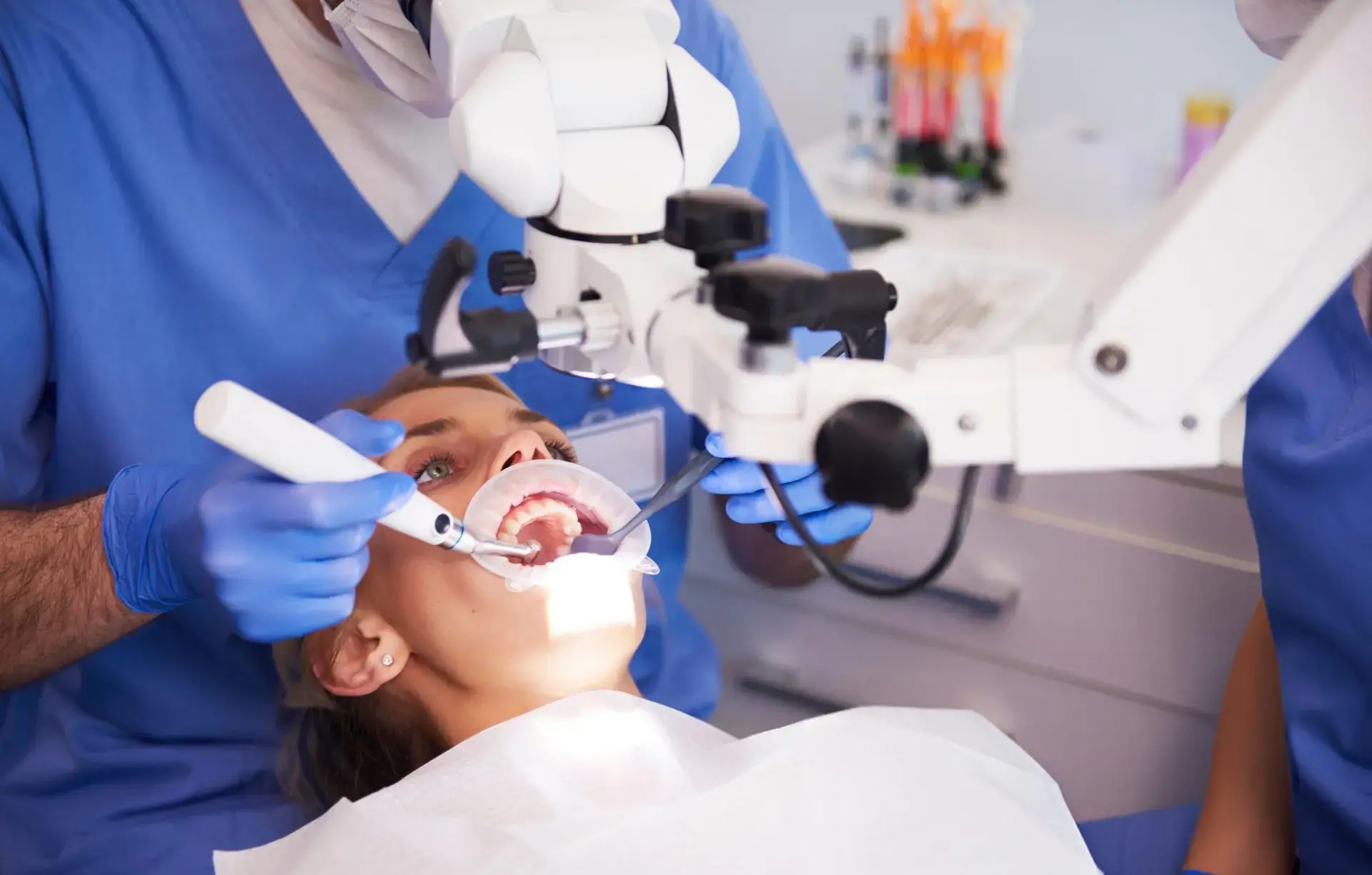
Gum Surgery Specialist
Life After Osseous Surgery: How Your Smile Changes
Healthier Gums, Healthier Body
Research has shown a strong link between advanced gum disease and other systemic health issues, such as heart disease, diabetes, and stroke. By treating the chronic infection in your gums, osseous surgery helps reduce inflammation in your body, lowering your risk for these serious health conditions.
Confidence in Eating and Speaking
Living with advanced gum disease can be uncomfortable. It can cause sensitivity when eating and may even make teeth feel loose, affecting your ability to speak and chew with confidence. After osseous surgery, your gums will be healthier and fit more snugly around your teeth, eliminating looseness and reducing sensitivity.
Prevention for the Future
Osseous surgery gives you a fresh start, but maintaining that health is a team effort. With shallower gum pockets, your daily brushing and flossing will be far more effective at removing plaque. Combined with regular professional cleanings, you can keep gum disease at bay and ensure your smile stays strong and healthy for years to come.
Looking Forward to a Healthier Smile
Facing the reality of advanced gum disease can feel overwhelming, but it’s important to remember that you have options. It doesn’t have to mean accepting a future of discomfort, lost teeth, or a lack of confidence in your smile.
Osseous surgery is a safe, predictable, and highly effective treatment for restoring gum health when a deep cleaning is no longer enough. With the right dental team by your side, you can move forward with confidence, knowing you are in caring and capable hands.
Daniel Skotzko DDS
https://maps.app.goo.gl/ci439TXKFLcho5Jj7
20816 N Main St #202, Cornelius, NC 28031
(704) 285-2625
https://www.ncdentist.com/