Dentist Implants Huntersville NC
August 7, 2025
Pediatric Dentist Near Me Cornelius NC
August 12, 2025Dental Implant Pricing: How Much Are Dental Implants
Dental implant pricing can feel overwhelming for patients exploring tooth replacement options. With various factors influencing costs and multiple payment components to consider, understanding the financial aspects of dental implant treatment requires careful planning and expert guidance.
Dr. Skotzko’s clinic brings years of specialized experience in dental implants procedures, helping patients navigate both the clinical and financial aspects of their treatment journey. This comprehensive guide walks you through every stage of dental implant pricing, from your initial consultation to your final payment, ensuring you make informed decisions about your oral health investment.
Understanding the Consultation Process
The foundation of successful dental implant treatment begins with a thorough consultation. Scheduling your evaluation with an experienced dentist like Dr. Skotzko provides the roadmap for your entire treatment plan and associated costs.
What Happens During Your Consultation
Your consultation involves several key components that directly impact your treatment pricing. Dr. Skotzko conducts a comprehensive oral examination, reviewing your medical history and current oral health status. Advanced imaging techniques, including X-rays and 3D scans, help assess bone density and structure around the implant site.
The evaluation process also includes discussing your specific needs, timeline preferences, and aesthetic goals. This personalized approach ensures your treatment plan aligns with both your clinical requirements and financial considerations.
Setting Realistic Expectations
A professional consultation establishes realistic expectations about your treatment timeline and associated costs. Dr. Skotzko explains the step-by-step process, potential complications, and success rates based on your individual case. This transparency helps you prepare financially and emotionally for the journey ahead.
Most consultations include a detailed treatment estimate that breaks down each component of your care. This documentation serves as your financial roadmap and helps you explore payment options before committing to treatment.
Dental Implant Service
Factors that Affect Dental Implant Pricing
Dental implant cost varies significantly based on several interconnected factors. Understanding these variables helps you anticipate your investment and make informed decisions about your treatment options.
Number and Location of Missing Teeth
The quantity of missing teeth directly impacts your overall treatment cost. Single tooth replacement differs substantially from full-mouth reconstruction in terms of complexity, materials, and time requirements. Front teeth often require additional aesthetic considerations, potentially increasing costs due to specialized techniques and materials.
Location within your mouth also affects pricing. Posterior teeth may require different implant sizes or additional procedures due to bone density variations. The proximity to vital structures like sinuses or nerves can influence surgical complexity and associated costs.
Additional Procedures Required
Many patients require preparatory procedures before implant placement. Bone grafting, sinus lifts, or tooth extractions add to the overall treatment cost but ensure optimal implant success rates. Dr. Skotzko’s expertise in these supplementary procedures helps minimize complications and additional expenses.
Gum disease treatment, if necessary, must be completed before implant placement. This preliminary care protects your investment by creating the healthiest possible environment for implant integration.
The Impact of Expertise and Experience
The dentist’s expertise significantly influences both treatment success and pricing. Dr. Skotzko’s specialized training and experience in implant dentistry provide value through higher success rates, fewer complications, and more predictable outcomes. While experienced practitioners may charge more, their expertise often reduces long-term costs by minimizing revision procedures.
Board-certified specialists typically command higher fees due to their advanced training and proven track records. This investment in expertise often pays dividends through smoother procedures and better long-term outcomes.
Understanding the Breakdown of Costs
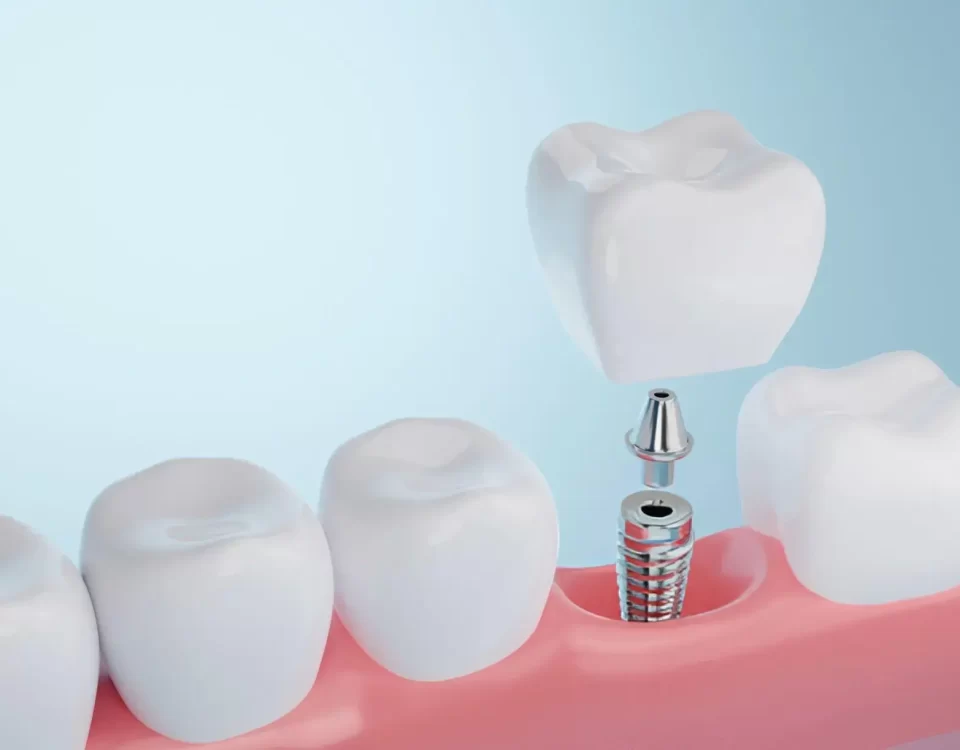
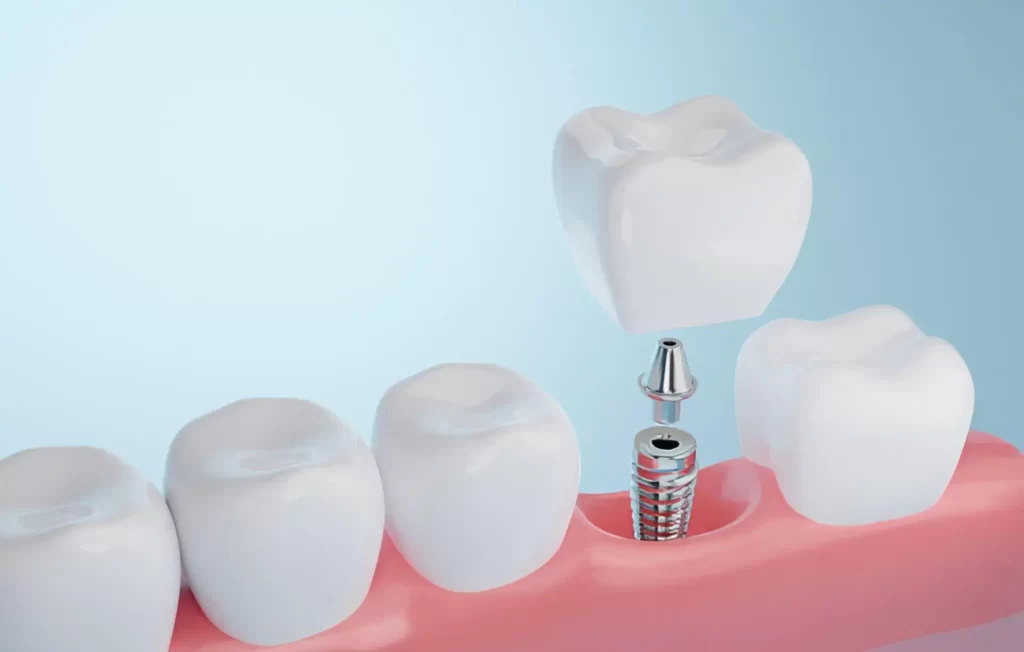
Dental implant pricing consists of several distinct components, each serving a specific function in your treatment. Understanding this breakdown helps you appreciate the value and necessity of each element.
The Implant Component
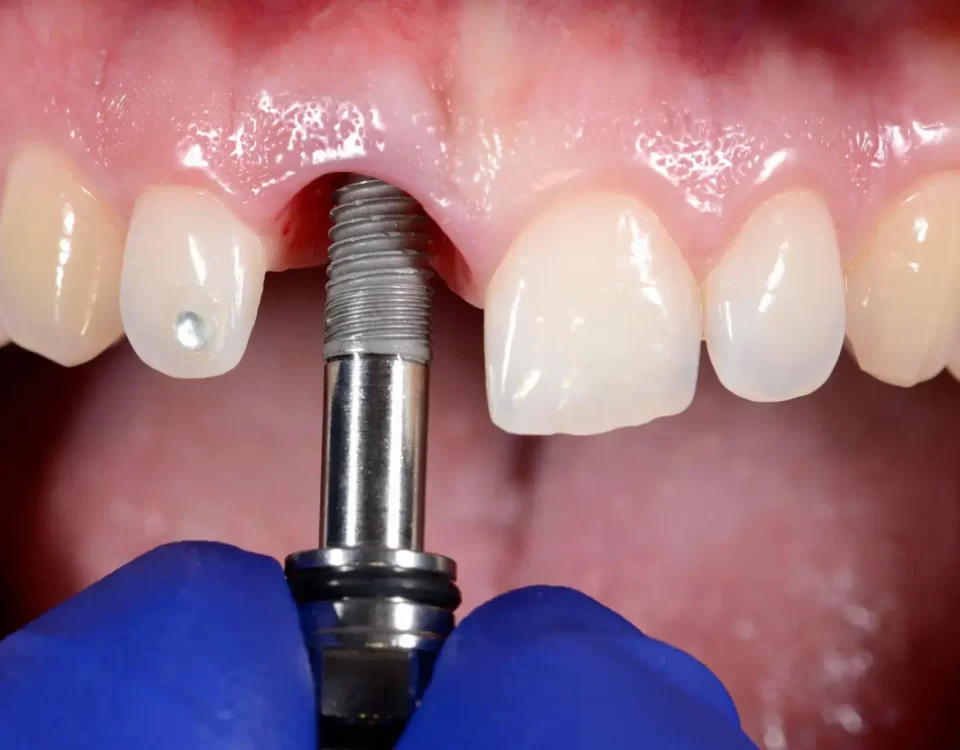
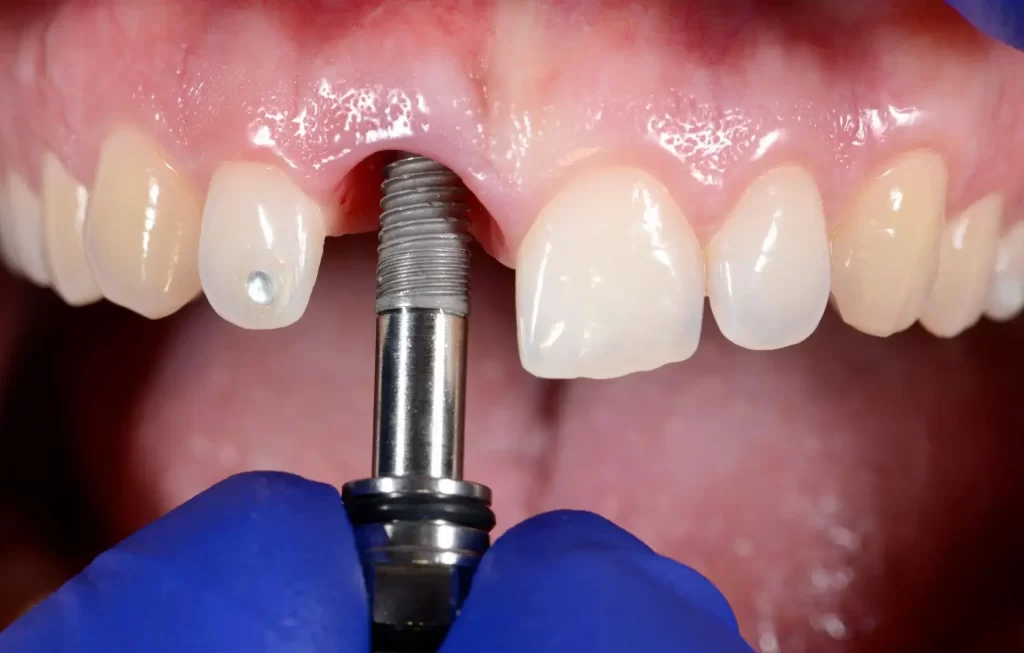
The titanium implant itself represents the foundation of your tooth replacement. This biocompatible post integrates with your jawbone through a process called osseointegration. High-quality implants from reputable manufacturers ensure long-term stability and success.
Implant costs vary based on manufacturer, size, and design features. Premium implants often include advanced surface treatments that promote faster healing and stronger bone integration. These technological advances justify higher costs through improved success rates and reduced healing times.
Abutment Costs
The abutment connects your implant to the final crown. This crucial component transfers chewing forces from your crown to the implant and surrounding bone. Abutments come in various materials, including titanium and zirconia, each with different cost implications.
Custom abutments, designed specifically for your case, typically cost more than standard options but provide superior fit and aesthetics. The investment in custom components often justifies itself through improved comfort and appearance.
Crown Expenses
The crown represents the visible portion of your implant restoration. Crown costs depend on material choices, including porcelain, zirconia, or metal combinations. Each material offers different benefits in terms of strength, aesthetics, and longevity.
Laboratory fees for crown fabrication represent a significant portion of this cost. High-quality dental laboratories using advanced techniques and materials produce more natural-looking and durable crowns that justify their premium pricing.
The Role of Insurance Coverage
Dental insurance coverage for implants varies widely among providers and plans. Understanding your specific benefits helps you plan financially for your treatment.
Typical Insurance Limitations
Most dental insurance plans categorize implants as elective procedures, limiting coverage significantly. However, some plans provide partial coverage for implant components or related procedures like extractions or bone grafting.
Annual maximum benefits often restrict the total amount your insurance will contribute to implant treatment. Understanding these limitations helps you plan for out-of-pocket expenses and explore alternative financing options.
How Dr. Skotzko’s Clinic Helps Navigate Insurance
Dr. Skotzko’s office staff works directly with insurance providers to maximize your benefits. They handle pre-authorization requests, submit claims promptly, and provide detailed documentation supporting medical necessity when applicable.
The clinic’s experience with various insurance companies helps streamline the approval process and identify all available benefits. This support reduces your administrative burden and ensures you receive maximum coverage available under your plan.
Financing Options Available
Multiple financing options make dental implants accessible to patients without full insurance coverage. Understanding these alternatives helps you choose the best approach for your financial situation.
Payment Plans
Many dental practices offer in-house payment plans that spread treatment costs over several months. These arrangements often include minimal or no interest charges, making them attractive alternatives to credit cards or loans.
Dr. Skotzko’s clinic provides flexible payment plans tailored to your budget and treatment timeline. These options allow you to begin treatment while managing monthly payments comfortably without straining your finances.
Third-Party Financing
Companies like CareCredit specialize in healthcare financing, offering promotional interest rates and extended payment terms. These services often provide immediate approval and can cover your entire treatment cost.
Healthcare-specific financing typically offers more favorable terms than traditional credit cards, including deferred interest options and longer repayment periods. Many providers offer 12-24 month interest-free periods for qualified applicants.
Health Savings Accounts
HSAs and FSAs allow you to use pre-tax dollars for dental implant treatment, effectively reducing your overall cost. These accounts provide tax advantages while helping you save for healthcare expenses.
Planning ahead with these accounts can significantly impact your out-of-pocket expenses for implant treatment. Dr. Skotzko’s office can provide necessary documentation for HSA/FSA reimbursement, including itemized receipts and treatment codes.
The Importance of Quality and Longevity
Investing in quality dental implants and experienced care provides significant long-term value. Understanding this relationship helps justify the initial investment and avoid costly complications.
Material Quality Impact
High-quality implants from established manufacturers typically cost more initially but offer superior long-term performance. These products undergo extensive testing and provide predictable outcomes with lower failure rates.
Inferior materials may seem cost-effective initially but often result in complications, additional procedures, and higher long-term expenses. Dr. Skotzko’s commitment to quality materials protects your investment and ensures optimal outcomes.
The Reputation Advantage
Choosing a reputable practitioner like Dr. Skotzko provides peace of mind and often reduces long-term costs. Experienced providers deliver more predictable results with fewer complications, protecting your financial investment.
Established practices typically offer comprehensive warranties and ongoing support, adding value to your treatment investment. This continuity of care ensures any issues are addressed promptly and professionally.
Understanding the Payment Process
Dr. Skotzko’s clinic maintains transparent payment processes that align with treatment phases. Understanding this timeline helps you plan financially and reduces surprises.
Initial Payment Structure
Treatment typically begins with a consultation fee, followed by a deposit for the treatment plan. This deposit often applies toward your final treatment cost and secures your place in the treatment schedule.
The clinic provides detailed treatment estimates before beginning work, ensuring you understand all associated costs. This transparency helps you make informed decisions about your treatment options and financial commitments.
Payment Timeline
Payments typically align with treatment phases, spreading costs over several months. Initial payments cover surgical procedures, while final payments coincide with crown placement and completion.
This phased approach makes treatment more manageable financially while ensuring the practice can provide optimal care at each stage. Dr. Skotzko’s office works with patients to establish comfortable payment schedules that accommodate individual financial situations.
Final Payment Considerations
Final payments typically occur upon crown delivery and treatment completion. This timing ensures you’re completely satisfied with your results before making final payment commitments.
The clinic provides detailed invoices and payment records for your insurance submissions and tax purposes. This documentation supports any reimbursement claims or tax deductions related to your dental treatment.
Additional Costs to Consider
Beyond the primary treatment components, several additional expenses may arise during your implant journey. Planning for these potential costs helps avoid financial surprises.
Medication and Post-Procedure Care
Prescription medications for pain management and infection prevention represent additional costs not typically included in treatment estimates. These medications are essential for proper healing and implant success.
Post-procedure care items like special mouth rinses, soft foods, and ice packs add to your overall investment. While these costs are relatively minor, budgeting for them ensures comfortable recovery without financial stress.
Follow-Up Appointments
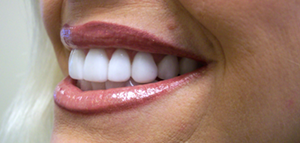
Dental Implant
Regular follow-up appointments monitor your healing progress and ensure optimal implant integration. While basic follow-up care is typically included in treatment costs, additional visits for complications or concerns may incur extra charges.
Dr. Skotzko’s comprehensive approach typically includes all necessary follow-up care in the initial treatment cost, reducing surprise expenses and providing peace of mind throughout your recovery.
Maintenance and Long-Term Care
Long-term implant success requires regular professional cleanings and maintenance. These ongoing costs should be factored into your overall implant investment for accurate budgeting.
Specialized cleaning tools and techniques for implant maintenance may cost more than traditional dental cleanings. However, this investment protects your implant investment and ensures longevity that justifies the initial expense.
Frequently Asked Questions
How long do dental implants last?
With proper care and maintenance, dental implants can last 20 years or more. Regular dental checkups, good oral hygiene, and avoiding habits such as smoking can significantly extend their lifespan.
Are dental implants painful to get?
The implant procedure is typically performed under local anesthesia, ensuring minimal discomfort during the surgery. Post-procedure, some mild pain or swelling is normal but can be managed with prescribed medications.
Can anyone get dental implants?
While most individuals are candidates for dental implants, those with insufficient jawbone density, certain medical conditions, or poor oral health may require additional treatments or alternative solutions.
How do I clean my dental implants?
Cleaning dental implants involves brushing twice daily with a soft-bristled toothbrush, flossing, and sometimes using specialized cleaning tools for more effective maintenance. Regular professional cleanings are also crucial.
Conclusion
Dental implants are a reliable and long-term solution for replacing missing teeth, offering a natural look and feel that enhances functionality and confidence. While the initial investment may appear significant, proper care and maintenance ensure a lasting return in both quality of life and overall dental health. Consult with your dental professional to explore whether implants are the right option for you and take the first step toward restoring your smile.
Daniel Skotzko DDS
https://maps.app.goo.gl/ci439TXKFLcho5Jj7
20816 N Main St #202, Cornelius, NC 28031
(704) 285-2625
https://www.ncdentist.com/