

Invisalign Dentist Near Me
October 22, 2025
Veneers Dentist Near Me
October 29, 2025
Dental Disaster Struck: A Parent’s Checklist for Finding an Emergency Pediatric Dentist Near me
Every parent dreads a child’s injury, but a dental emergency feels especially urgent. Whether it’s a knocked-out tooth from a fall, sudden severe pain, or a sports injury, quick action with the right emergency pediatric dentist can save a tooth.
Dental emergencies don’t wait for office hours, and children need specialized care. Pediatric dentists are equipped to handle frightened children, developing teeth, and the unique challenges of treating young patients under stress.
This comprehensive guide will walk you through everything you need to know about emergency pediatric dentist near me. From recognizing different types of emergencies to finding the right dentist in your area, we’ll help you prepare for these unexpected situations so you can act swiftly and confidently when every minute counts.
Understanding Common Dental Emergencies in Children
Recognizing a dental emergency is the first step in getting your child the help they need. Some situations require immediate attention, while others can wait until regular office hours. Understanding the difference can save you time, money, and unnecessary stress.
Immediate Emergency Situations
Knocked-out permanent teeth represent the most time-sensitive dental emergency. If your child loses a permanent tooth, you have roughly 30 minutes to an hour for the best chance of successful reimplantation. Baby teeth that are knocked out, however, are typically not reimplanted to avoid damage to the developing permanent tooth underneath.
Severe tooth pain that interferes with eating, sleeping, or daily activities often indicates serious underlying problems like infection or significant decay. Pain that’s accompanied by facial swelling, fever, or difficulty swallowing requires immediate medical attention.
Fractured teeth with exposed nerves cause intense pain and leave the tooth vulnerable to infection. You’ll know the nerve is exposed if your child experiences sharp pain when breathing in cold air or drinking fluids.
Dental trauma with excessive bleeding needs prompt care, especially if the bleeding won’t stop after applying gentle pressure for 10-15 minutes.
Situations That Can Wait
Minor chips or cracks in teeth, while concerning, typically don’t require emergency treatment unless they’re causing pain or have sharp edges that could cut the tongue or cheeks.
Lost fillings or crowns are inconvenient but rarely constitute true emergencies unless accompanied by pain or sensitivity.
Food stuck between teeth can usually be resolved with gentle flossing, though persistent impaction might need professional removal.
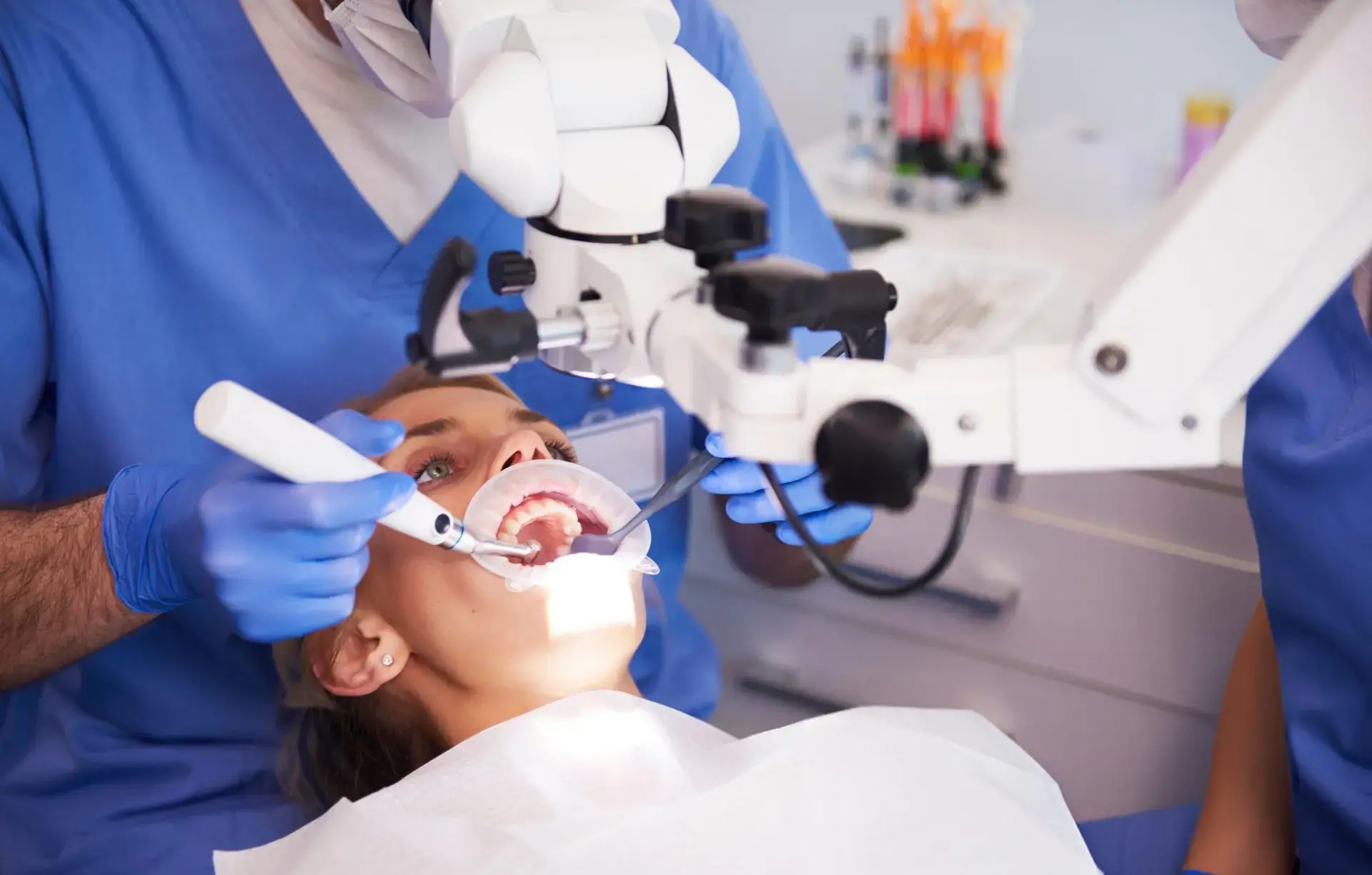
Emergency Pediatric Dental Treatment
The Immediate Response: What to Do the Moment a Dental Emergency Occurs
Your response in the first few minutes after a dental emergency can significantly impact the outcome. Stay calm—your child will take cues from your reaction and panic will only make the situation more difficult for everyone involved.
For Knocked-Out Teeth
Time is absolutely critical when a permanent tooth is knocked out. Pick up the tooth by the crown (the white part), never the root. If the tooth is dirty, rinse it gently with milk or clean water, but don’t scrub or remove any tissue fragments. The best storage solution is putting the tooth back in its socket if your child is old enough to cooperate without swallowing it. If that’s not possible, store it in cold milk, saline solution, or your child’s saliva.
For Severe Pain or Swelling
Give age-appropriate doses of children’s ibuprofen or acetaminophen following package directions. Cold compresses applied to the outside of the cheek can help reduce swelling and provide some pain relief. Avoid placing aspirin directly on the gums, as this can cause tissue burns.
For Bleeding
Apply gentle, steady pressure with clean gauze or a cloth. Have your child bite down on the gauze if they’re old enough to do so safely. If bleeding doesn’t stop after 15 minutes of constant pressure, head to the emergency room.
Documentation
Take photos of the injury if possible—these can be helpful for the dentist to assess the situation before you arrive and can serve as documentation for insurance purposes.
Finding an Emergency Pediatric Dentist: Your Essential Checklist
When dental disaster strikes, having a plan already in place makes all the difference. Here’s your step-by-step checklist for finding emergency pediatric dental care quickly and efficiently.
Start with Your Regular Dentist
Check their emergency protocols before you need them. Many dental offices have after-hours numbers or partnerships with emergency services. Keep this information easily accessible in your phone and posted somewhere visible in your home.
Ask about their emergency policies during regular visits. Some practices see their own patients for emergencies even outside normal hours, while others refer to emergency clinics or hospital dental services.
Research Emergency Options in Advance
Identify pediatric specialists in your area who accept emergency cases. Not all general dentists are comfortable treating children, especially in emergency situations where the child may be scared, in pain, or uncooperative.
Check hospital emergency departments in your area. While emergency rooms can handle dental trauma and infections, they typically cannot perform complex dental procedures like reimplanting teeth or treating root canals. However, they can provide pain management, antibiotics for infections, and stabilization of severe injuries.
Look into urgent care centers that offer dental services. These facilities often have extended hours and can handle many dental emergencies, though their pediatric experience may vary.
Questions to Ask When Calling
When you call an emergency dental service, have these questions ready:
- Do you treat children, and what’s the youngest age you’ll see?
- What’s your experience with [specific type of emergency]?
- How quickly can we be seen?
- What should we bring with us?
- What are your payment policies for emergency visits?
- Are you able to perform the treatment needed, or would we need a referral?
Insurance and Payment Considerations
Contact your insurance company to understand your emergency dental coverage. Some plans have different coverage levels for emergency versus routine care, and some require pre-authorization even for emergencies.
Ask about payment plans if cost is a concern. Many dental offices offer financing options or payment plans, especially for emergency situations.
Keep emergency cash or credit available since some emergency dental services require payment at the time of service.
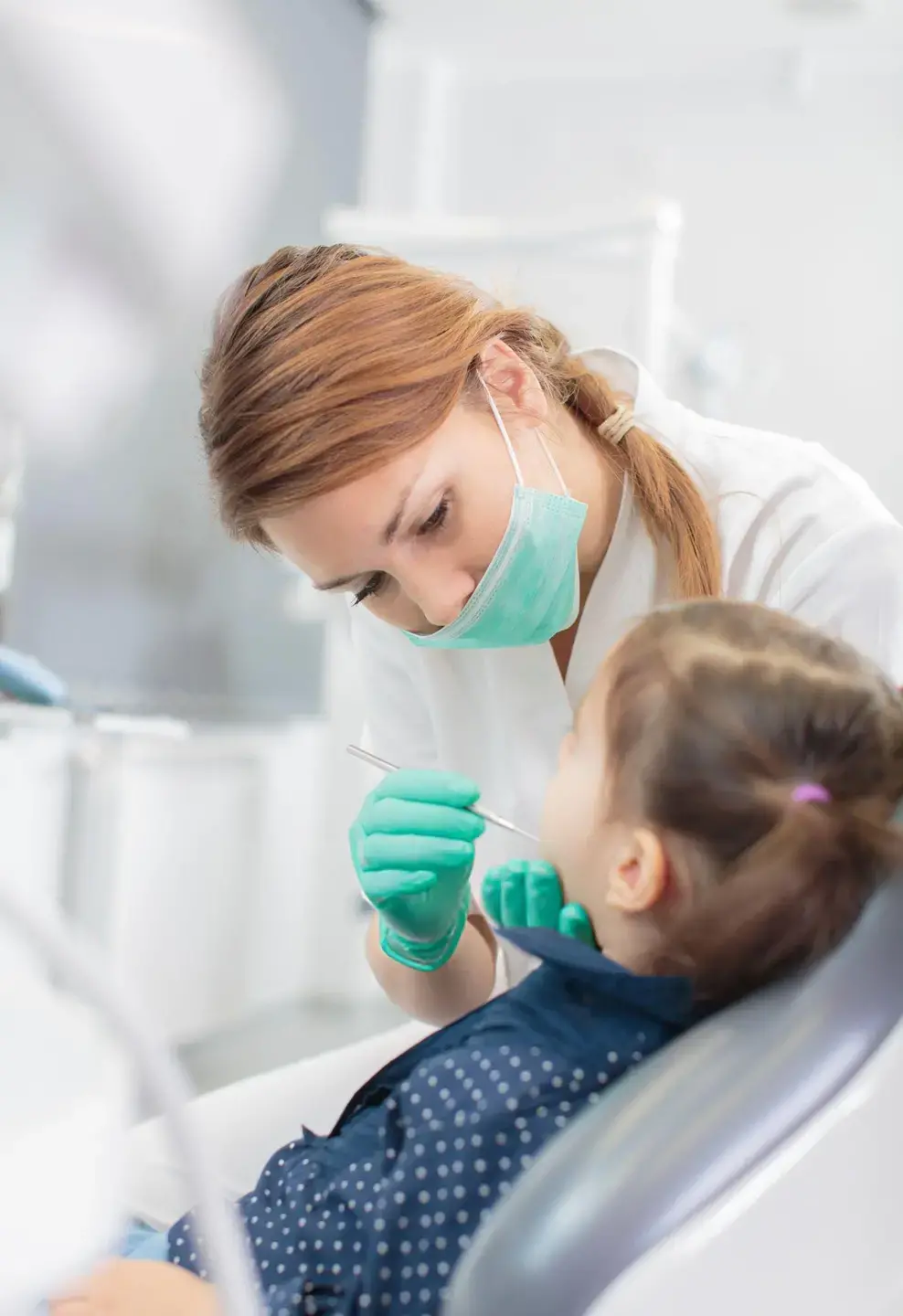
Emergency Pediatric Dental Treatment Specialist
Spotlight: Dr. Skotzko Family, Cosmetic, and General Dentistry
For families seeking comprehensive dental care with emergency services, Dr. Skotzko Family, Cosmetic, and General Dentistry offers a reliable option for both routine and urgent dental needs. This practice understands that dental emergencies don’t follow convenient schedules and strives to accommodate patients when urgent situations arise.
The practice provides family-focused care, meaning they’re experienced in treating patients of all ages, from young children to adults. This family approach can be particularly valuable during emergencies, as the same practice can treat multiple family members who might be involved in an accident, and they maintain familiarity with your family’s dental history.
Their comprehensive services include both preventive care and emergency treatments, which means they can not only help during urgent situations but also provide the follow-up care needed for complete recovery. This continuity of care is especially important for children, who benefit from seeing familiar faces during stressful situations.
When considering Dr. Skotzko’s practice for your family’s emergency dental needs, you’ll want to call ahead to understand their specific emergency protocols, availability, and the types of pediatric emergencies they’re most equipped to handle.
Preparing for Your Emergency Visit
Preparation can make your emergency dental visit smoother and less stressful for both you and your child. A well-prepared visit often leads to better outcomes and a more positive experience during an already difficult time.
What to Bring
Insurance cards and identification are essential, even in emergency situations. Many offices require this information before beginning treatment.
Complete medical history including current medications, allergies, and any medical conditions. If your child takes prescription medications, bring the actual bottles so the dentist can see exact dosages and drug names.
Any knocked-out teeth or dental work properly stored as described earlier. Even if a tooth seems too damaged to save, bring it along—sometimes dentists can use fragments for partial repairs.
Comfort items like a favorite stuffed animal, blanket, or toy can help keep your child calm during the visit.
Preparing Your Child
Stay calm yourself because children pick up on parental anxiety. Your demeanor will significantly influence how your child handles the situation.
Use age-appropriate explanations about what will happen. For younger children, simple explanations like “The dentist will help make your tooth feel better” work best. Older children can understand more detailed explanations about the treatment process.
Avoid making promises you can’t keep, such as “It won’t hurt” or “It will be over quickly.” Instead, focus on reassuring statements like “The dentist knows how to help you” or “I’ll be right here with you.”
Bring snacks and drinks for after the appointment, as your child may be hungry or thirsty, especially if the emergency visit happens during normal meal times.
Prevention Tips: Protecting Your Child’s Dental Health
While you can’t prevent every dental emergency, many can be avoided with proper precautions and good dental hygiene habits. Teaching children about dental safety and maintaining regular preventive care significantly reduces the risk of emergency situations.
Sports Safety
Invest in properly fitted mouthguards for any contact sports or activities with fall risks. Custom-fitted mouthguards from your dentist provide the best protection, but even over-the-counter options are better than no protection at all.
Teach proper techniques for sports that involve potential dental contact. Many dental injuries in sports result from improper technique rather than unavoidable accidents.
Consider the timing of orthodontic treatment in relation to sports seasons. While braces don’t need to prevent sports participation, they do require extra precautions and specialized mouthguards.
Home Safety
Childproof your home with attention to dental safety. Secure furniture that children might climb on and fall from, install safety gates at the top and bottom of stairs, and keep hard objects away from areas where children play.
Establish rules about running in the house, especially in areas with hard surfaces like tile or concrete floors.
Avoid using teeth as tools and teach children not to bite on hard objects like ice, pen caps, or toys that could crack teeth.
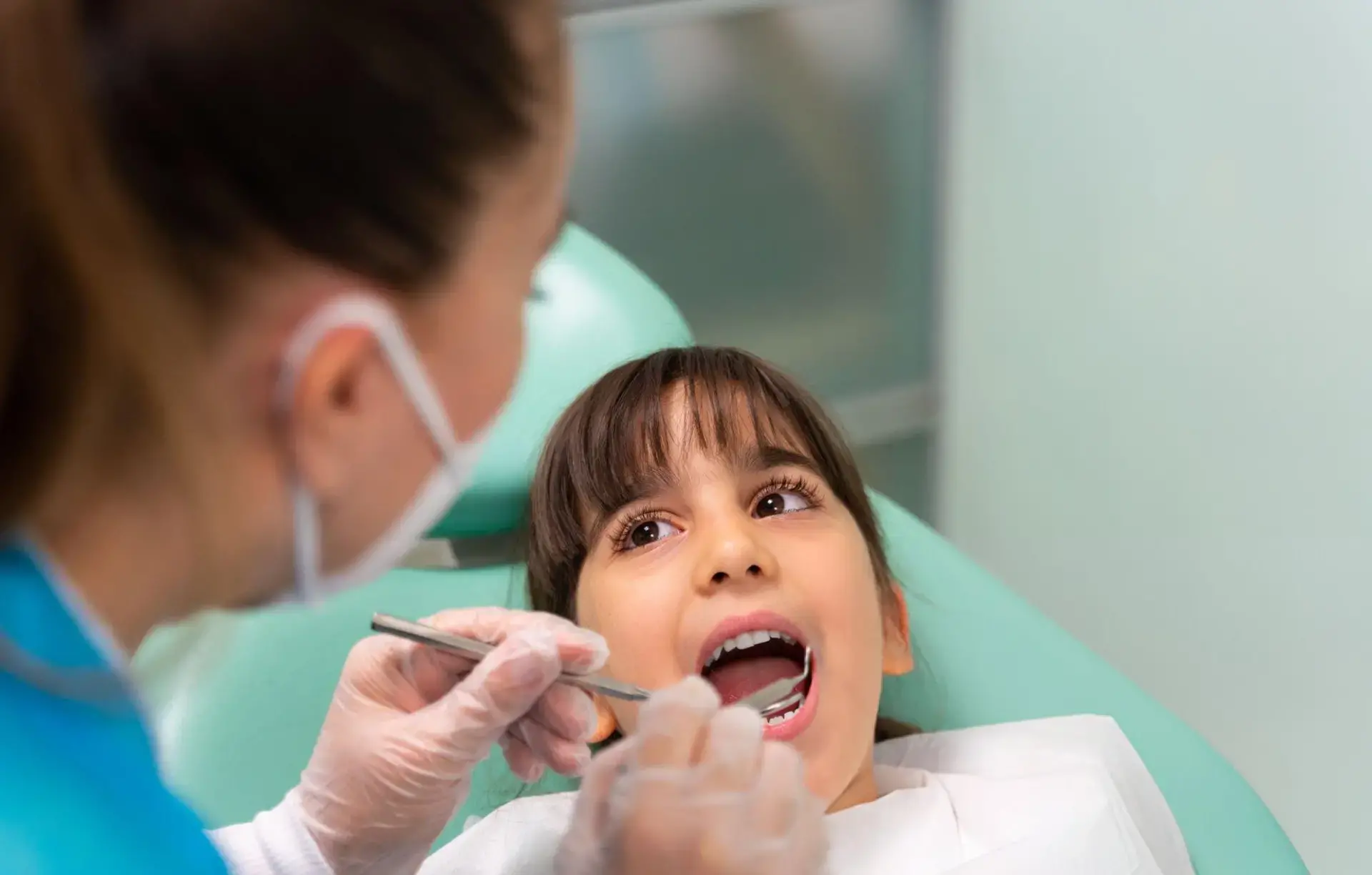
Pediatric Dental Treatment
Dietary Considerations
Limit sugary and acidic foods and drinks that contribute to tooth decay and erosion. When children do consume these items, encourage them to rinse with water afterward.
Encourage water consumption throughout the day to help wash away food particles and bacteria.
Avoid sticky candies and hard foods that can pull out fillings or crack teeth.
Regular Dental Care
Maintain consistent checkup schedules because regular dental visits can identify and address problems before they become emergencies.
Follow through with recommended treatments rather than postponing them. Small cavities that go untreated can develop into painful infections that require emergency care.
Learn proper brushing and flossing techniques and supervise young children during their oral hygiene routines.
Taking Action When It Matters Most
Dental emergencies can be stressful, but being prepared makes all the difference. Knowing how to respond and where to find care quickly can turn a chaotic situation into a manageable one.
Your calm demeanor is crucial, as it helps your child feel secure and cooperative during treatment. Keep your dentist’s emergency contact information accessible, stay on top of regular checkups, and never hesitate to seek professional advice if you’re unsure about an injury. Acting fast in a true emergency can save a tooth, while panicking over minor issues only creates unnecessary stress.
Ultimately, every dental emergency is a learning opportunity. Use it to review and reinforce your family’s dental safety habits, helping to prevent future incidents.
Daniel Skotzko DDS
https://maps.app.goo.gl/ci439TXKFLcho5Jj7
20816 N Main St #202, Cornelius, NC 28031
(704) 285-2625
https://www.ncdentist.com/